

Stories of near-death experiences (NDEs) are hard to ignore once you hear a few. Whether it’s someone seeing a tunnel of light or meeting long-lost loved ones, these accounts have fascinated people for decades. I’ve spent a lot of time reading or watching videos about NDEs, and I always find myself hooked by the details. If you’ve ever wondered what happens after we die, exploring what NDEs reveal gives a lot to think about, even if the answers aren’t black and white. I’m going to break down what researchers, experiencers, and skeptics have found, making it easy for anyone to jump into this intriguing topic.

What Exactly Are NDEs?
NDE is the abbreviation for near-death experience. This usually describes intense personal experiences reported by people who have come close to dying or were even declared clinically dead for a brief time. Some common themes pop up: moving through a tunnel, feeling peace, seeing bright light, or even having your “life flash before your eyes.” It might sound like something from a movie, but these descriptions are surprisingly similar around the world.
I’ve seen that these experiences go beyond just physical or medical events. Most people who’ve had an NDE say it changed how they look at life and death. For example, people often lose their fear of dying or talk about a stronger sense of purpose after coming back. There are even those who say their entire understanding of reality has shifted, leaving them with a lasting sense that life is more than just what we see every day.
What People Say They Experience During an NDE
NDE reports aren’t all the same, but they have a lot in common. I’ve read dozens of firsthand accounts and noticed these recurring details show up:
- Out-of-Body Feelings: Many people sense they floated above their body, saw hospital staff, or observed their own resuscitation efforts.
- Tunnel and Light: A lot of stories mention a tunnel, often with a bright, warm light at the end. The feeling attached to this is generally positive, peaceful, and welcoming.
- Meeting Beings or Loved Ones: Whether it’s deceased relatives, friends, or spiritual beings, seeing familiar faces is super common.
- Life Review: Several people describe seeing key moments from their lives, all at once or in fast-forward. For some, this brings a new sense of understanding or empathy.
- Sensation of Peace: Almost everyone describes a calm that’s hard to put into words, saying it feels more real than anything else.
Many accounts also include a sense of traveling to another place, sometimes described as a paradise or beautiful landscape. Others talk about hearing music or voices that are comforting. While not everyone experiences all of these sensations, the overlap in details keeps researchers and readers fascinated. All this leaves people questioning: are these just brain reactions, or do they actually tell us about what happens after we die?
How Science Tries to Explain NDEs
Doctors, neuroscientists, and psychologists have studied NDEs for decades. I’ve found that some researchers believe NDEs are caused by physical events in the brain. For instance, lack of oxygen (hypoxia), certain medications, or the powerful effects of anesthesia might produce vivid experiences that feel real to the person.
Other theories include:
- Endorphin Release: When the body is in shock or trauma, it releases chemicals to reduce pain and stress. These might trigger intense feelings of peace or euphoria.
- Temporal Lobe Activity: The temporal lobe in the brain has been linked with memory, emotions, and spiritual feelings. Changes or electrical activity in this area could play a role in the kind of visions people report during an NDE.
- Psychological Reactions: Some believe our brain tries to comfort us as we near death, using memories, spiritual imagery, or comforting visions as a kind of coping mechanism.
There’s a lot we still don’t know, and even scientists admit that physical explanations don’t cover every detail. For example, some people have reported NDEs while showing no brain activity at all. These occasions raise more questions than answers. Peer-reviewed research from the National Institutes of Health is a great place to dig deeper into what science has uncovered so far.
Some studies even suggest that NDEs could result from a blending of multiple factors: drugs, trauma, and the natural way the brain works under stress. The ongoing debate highlights just how complicated these experiences are to study.
What Spiritual and Cultural Traditions Say
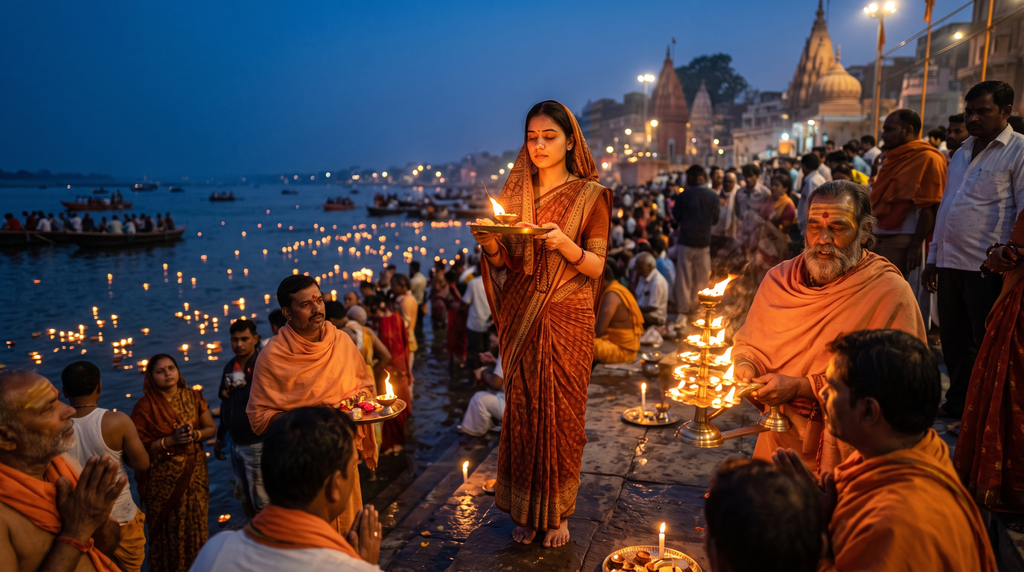
Every culture has its own take on NDEs, but the basic elements pop up everywhere: journeys to another realm, meetings with ancestors, or even life’s purpose being revealed. Some see NDEs as proof that a consciousness or soul exists outside the body. Religious traditions in Christianity, Buddhism, and even ancient cultures like Egypt have stories of the afterlife that echo what modern NDEs look like.
A lot of people who’ve survived NDEs return with a belief that life doesn’t just end. For many, religious or spiritual beliefs only get stronger. Others, who started off skeptical or even atheist, sometimes make big changes in what they believe after their experience. Some cultures have built rituals or ceremonies around NDE-like events, placing great importance on messages received during these moments. Even today, these stories inspire people to reflect on what really matters in life.
What NDEs Really Suggest About Life After Death
This is the million-dollar question: Do NDEs prove there’s something beyond this life? Here’s what stands out after years of digging around in the literature and hearing personal stories:
- Expanded Awareness: Some experiencers report gaining knowledge they didn’t have before, like seeing events happening elsewhere or learning things that get verified later. These are harder to explain just using brain science.
- Personality Shifts: A lot of people that come back from an NDE are way less afraid of death and more focused on kindness, helping others, or enjoying the present. That long-term change is pretty interesting and gets psychologists’ attention.
- Consistent Patterns: The fact that NDEs have similar features across cultures, age groups, and faiths is hard to ignore. This could point to a real, shared experience rather than just random brain activity.
- No Clear Proof: Even with thousands of documented NDEs, there’s no scientific way yet to absolutely “prove” life after death. NDEs are compelling, but interpretations really depend on your worldview and what kind of evidence you accept.
Reading books like “Proof of Heaven” by Dr. Eben Alexander, a neurosurgeon who had his own NDE, offers firsthand perspectives. But there’s still debate about whether these are actual glimpses of an afterlife, tricks of the brain, or something else we haven’t figured out yet. Many NDE survivors feel their experiences were more real than everyday life, which adds layers to the puzzle for those interested in the afterlife question.
What to Watch Out for: Challenges in Studying NDEs
Studying NDEs isn’t simple. Here are a few things to keep in mind when looking at research or hearing stories:
- Subjective Experiences: NDEs are deeply personal. It’s pretty hard to measure, replicate, or test them with science in the traditional way.
- Memory and Interpretation: Memories can shift with time, especially after trauma. What someone remembers might change, even if their experience felt super real.
- Cultural Influence: What you expect or believe can shape how you interpret any strange event, including NDEs. For example, someone raised with religious ideas about heaven might describe their NDE in religious terms, even if the core feeling is the same as someone from a different background.
- Bias and Skepticism: Some researchers are open-minded, while others think NDEs are impossible or misleading. This can shape how stories are analyzed or presented. Careful research helps you get a more balanced view.
Steering Through NDE Reports Online
Sifting through all the stories and studies online can get confusing. I like to check out respected sites like the International Association for Near-Death Studies (IANDS). Their resources, including firsthand accounts and academic research, are pretty handy for anyone wanting to dig deeper. IANDS offers not only stories but also support groups and forums, helping people share these life-altering experiences safely.
Tips for Exploring the NDE Question Yourself
If you’re seriously curious about what NDEs mean for life after death, here’s how to get the most out of your research:
- Look for Variety: Check out accounts from people with all different backgrounds—different countries, religions, and life situations. This gives a broader picture than sticking to one source.
- Consider Both Sides: Read scientific articles as well as firsthand stories about NDEs.
- Stay Open-Minded: The best way to learn is to keep your mind open. Try not to start out looking for proof in either direction; just explore and see what clicks.
- Talk to People: If you meet someone with an NDE story, listening respectfully is always the way to go. Everyone interprets their experience differently, and there’s a lot to learn just by hearing how people process these events. Even joining online discussion groups or reading interviews can give fresh insight.
Combining curiosity, careful research, and a bit of skepticism gives you the strongest base for forming your own thoughts about life after death. Remember, everyone brings their own expectations and questions, so the key is to mix sources and stay genuinely curious.
Common Questions About NDEs and Life After Death
Here are some questions I’ve heard a lot, and the answers that make the most sense to me after plenty of reading and conversations:
Do NDEs prove there’s an afterlife?
NDEs offer some really compelling stories but don’t “prove” anything scientifically. They do suggest that people experience something vivid and deeply meaningful, but interpreting what it all means is still open to debate.
How do doctors and researchers view NDEs?
Some see NDEs as brain-related events explained by chemicals and oxygen levels, while others are open to the possibility of something more. Both viewpoints offer different insights, but no clear consensus just yet. The ongoing dialogue is part of what makes the subject so interesting to follow.
Can NDEs be explained by culture or expectations?
Culture and personal beliefs do shape how NDEs are described, but some elements (like feelings of peace or seeing a tunnel of light) show up almost everywhere. That consistency has kept curiosity high among both researchers and regular folks alike. Awareness of your own biases is key while reading any of these stories.
Wrapping Up: What NDEs Really Tell Us
Near death experiences pack a powerful message no matter how you interpret them. They challenge us to think about life, death, and what might be waiting on the other side, or if there even is another side. Even if we never get a clear-cut answer, exploring NDEs helps us ask bigger questions, appreciate life a little more, and stay open to the unknown. If you’re curious, there are tons of resources and stories out there worth checking out, like on YouTube, and forming your own opinion about what NDEs might reveal. Take your time to read real experiences, reputable studies, and even listen to podcasts or watch documentaries to really get a feel for the topic. Ultimately, the mystery is part of what makes NDEs so interesting, inviting us all to stay thoughtful and open-minded about what might come after this life.
Here’s a little transparency: Our website contains affiliate links. This means if you click and make a purchase, we may receive a small commission. Don’t worry, there’s no extra cost to you. It’s a simple way you can support our mission to bring you quality content.