

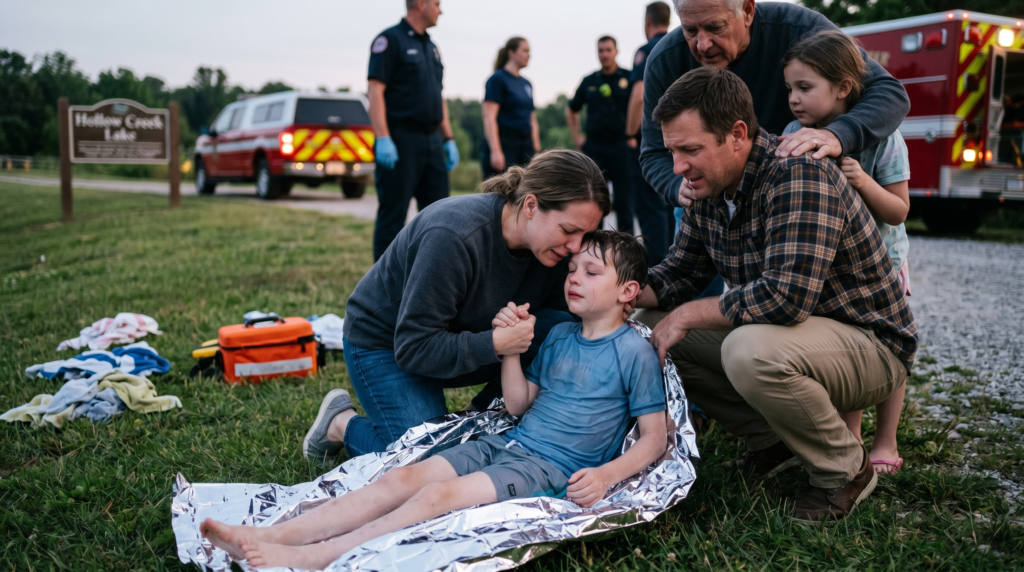
When a family member experiences a near-death experience (NDE), it impacts that specific moment and has the potential to transform the entire household. These experiences encompass more than just bright lights or encounters with deceased loved ones. They often change how people relate to each other, what they believe, and how they handle everyday life. Families suddenly find themselves dealing with new emotions, tough questions, and sometimes significant changes in how they view life and death. Here’s how NDEs can shape family dynamics, emotional health, and daily routines.
What Happens After an NDE
Most NDEs happen during serious medical events like cardiac arrest or a coma. The person who goes through it may come back describing their experience, such as a deep sense of peace, out-of-body sensations, or vivid visions. At first, families usually feel relief that their loved one survived. But that relief is often followed by a flood of questions and emotions.
The impact doesn’t stop with the individual. Everyone in the family starts wondering what happened and what it means. Some rethink their beliefs about life, death, or religion. Others feel confused and need time to process. Even those who weren’t there during the crisis can feel the emotional ripple effects.
Often, families start opening up more—talking about topics they may have avoided before. That can bring people closer, but it can also lead to disagreements if perspectives clash. Sometimes it helps to bring in a neutral voice, like a counselor, chaplain, or trusted friend, to guide those early conversations.
The Emotional Impact on the Family
The emotional aftermath can feel like a rollercoaster. It’s common for families to experience a mix of the following:
- Relief and anxiety at the same time: Everyone is grateful their loved one is alive, but there’s often a lingering fear—what if it happens again?
- Disconnection: The person who had the NDE may see life differently and want to talk about it, while others may struggle to relate.
- Guilt and “what-ifs”: Some family members replay events in their minds, wondering if they could have done something differently.
- A sense of loss: Even with a positive outcome, some feel like the person who came back has changed in ways that are hard to adjust to.
Talking openly can help ease tension. It’s also important to accept that everyone processes things differently. Some families find comfort in journaling, shared activities, or creative outlets that let people express what they’re feeling.
Changes in Roles and Relationships
An NDE often disrupts the usual family routine. People may start rethinking priorities, which can shift roles and responsibilities.
- New priorities: Someone who had an NDE might change careers, pick up new interests, or approach relationships differently.
- Shifts between parents and children: Kids may become more protective of a parent, or parents may become more cautious after a child’s experience.
- Increased dependency: Recovery can require extra support, from medical care to daily help, which can add stress over time.
Families that communicate clearly and set expectations tend to adjust more smoothly. Regular check-ins or simple routines—like shared meals—can help restore a sense of stability.
Changes in Beliefs and Meaning
NDEs often lead people to rethink big-picture questions about life.
- Stronger spiritual connections: Some families grow closer through shared beliefs or renewed faith.
- Differences in interpretation: Not everyone sees the experience the same way, which can lead to conflict.
- Shifting values: Many start placing more importance on relationships, kindness, and time together.
Outside support, such as a counselor or faith leader, can help bring clarity and balance when these conversations become complicated.
Communicating Through the Changes
Clear, honest communication makes a big difference. Even admitting confusion can help prevent misunderstandings.
- Set aside time to check in with each other
- Let people share without trying to “fix” their feelings
- Pay attention to kids, who may hide their emotions
Professional support can also be helpful, especially from therapists familiar with trauma or recovery. The key is creating space where everyone feels heard.
Practical Ways to Cope
Here are some simple ways families can navigate life after an NDE:
- Stay open-minded: You may not fully understand the experience, and that’s okay
- Give each other space: Some people need quiet time to process
- Create new routines: Daily habits can bring back a sense of normalcy
- Take care of yourself: Caregivers need support too
- Reach out: Friends, support groups, or counselors can make a big difference
Creative projects, such as photo albums or memory books, can also help some families heal by processing the changes they’ve experienced.
Common Challenges
Families may also face practical issues, such as:
- Ongoing health concerns: Memory problems, fatigue, or mood changes can require patience and support
- Financial stress: Medical bills and recovery costs can add pressure
- Deciding what to share: Not everyone is comfortable talking about the experience publicly
Facing these challenges together and talking through solutions can actually strengthen family bonds over time.
What People Say Helped Most
From real-life experiences, a few things tend to stand out:
- Focusing on gratitude, even during difficult moments
- Letting the person who had the NDE share at their own pace
- Trying therapy or support groups
- Finding creative ways to connect, like art or music
- Spending time outdoors to reset and reflect
- Learning from others through books, podcasts, or documentaries
Small activities, like keeping a gratitude jar or working on a shared project, help people express feelings that are hard to put into words.
Frequently Asked Questions
Are personality changes common after an NDE?
Yes. Some people come back with different priorities, stronger compassion, or less focus on material things. It can take time for families to adjust.
Can we talk about the experience right away?
It depends. Some people want to share immediately, while others need time. There’s no right or wrong approach. Just respect each person’s pace.
Where can families find support?
Hospitals often provide resources after serious medical events. Support groups, counselors, and organizations like the International Association for Near-Death Studies (IANDS) can also help.
Moving Forward
Life after an NDE usually doesn’t go back to exactly how it was before, and that’s normal. With open communication, patience, and a willingness to adapt, families can find a new balance. There’s no single way to handle it, but staying connected and supporting each other makes the path forward a lot more manageable.