

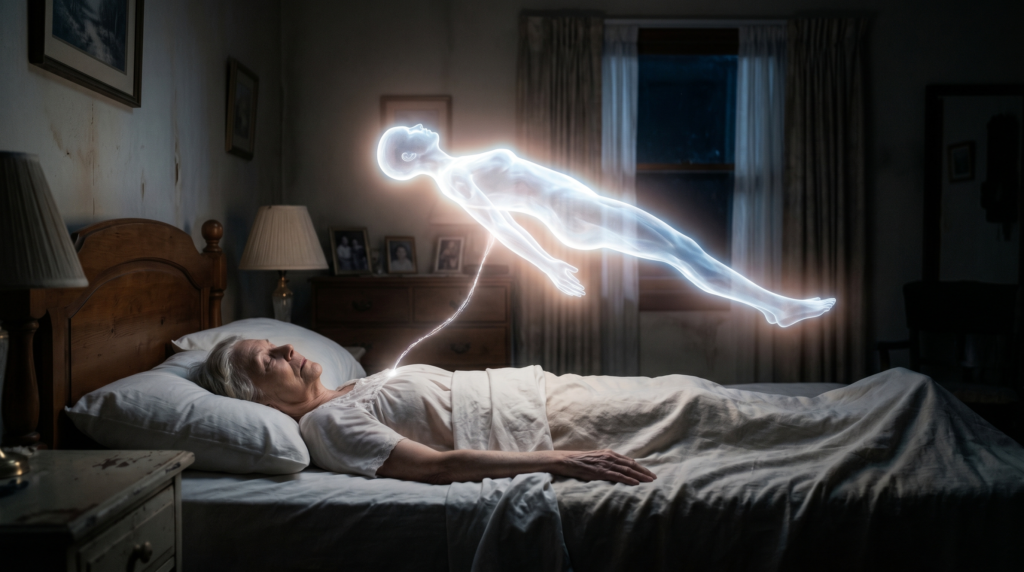
People have been fascinated by the idea of the soul for ages, and near-death experiences (NDEs) often bring this mysterious concept to the center of conversation. Many who go through these intense moments have reported feeling their consciousness detach from their body, raising questions about what the soul really is, where it might be, and what it means for our experience of life and death. I’m taking a closer look at what the soul means in the context of NDEs, how different traditions and thinkers have described it, and some common experiences and qualities tied to the soul during these life-changing moments.
Understanding the Soul: Basic Ideas and Traditions
The concept of the soul comes up in many spiritual, philosophical, and religious traditions. At its core, the soul is often seen as the immaterial, conscious part of a person that carries their sense of self. Some people describe the soul as the true essence of who you are, not tied to your physical body or even your thoughts. The debate on what the soul really is—whether it’s something real and literal, a metaphor for consciousness, or just a comforting story—has been going on for centuries.
Ancient philosophies, like those from Greece and India, often describe the soul as something eternal and unchanging. In Christianity, the soul is the immortal part that survives physical death. Science hasn’t pinned down any physical evidence for the soul, but that hasn’t stopped people from having strong personal feelings about its reality—especially during NDEs, when they report vivid experiences that seem to go beyond what the brain alone can create.
It’s worth noting that the idea of the soul provides comfort for many, suggesting that there’s more to our existence than just our physical form. This belief may shape people’s hopes, fears, and even how they treat each other, making the soul an important topic beyond any single tradition’s explanation.
The Soul in Near-Death Experiences
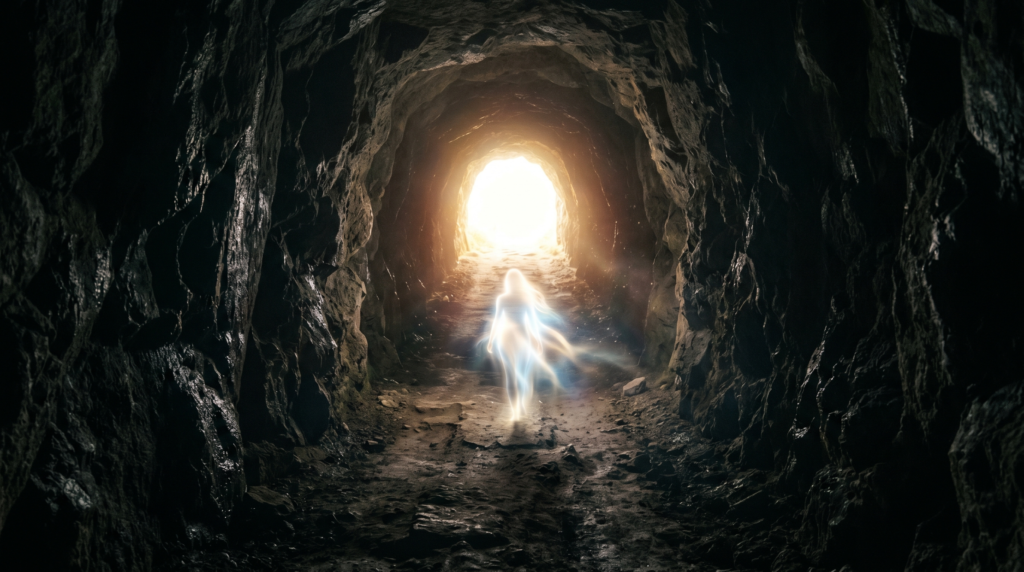
Near-death experiences typically happen when someone comes close to dying or is briefly declared clinically dead before being revived. Many who’ve gone through NDEs describe floating above their body, moving through tunnels of light, or visiting peaceful realms. What stands out in many accounts is the sense that they, or a part of them—the soul—are fully alive—even after their heart has stopped or their brain activity is severely reduced.
- Out-of-Body Experience: Many people report being able to see their body from above, suggesting they feel separate from their physical self. This is often described as feeling light, unburdened, or even euphoric.
- Sense of Identity: Despite leaving their bodies, most say they still feel like “themselves,” emotions, personality, and memories included, which matches up with the idea of a soul as the core of our identity.
- Encounters with Beings: Some recall meeting deceased loved ones or spiritual beings. These meetings feel more real than dreams for many, adding to that sense of a continuing soul.
- Review of Life: A classic feature is a panoramic review of one’s entire life. People feel every emotion tied to past actions, often from the perspective of others involved in their memories.
Interestingly, even those who are skeptical or nonreligious sometimes share similar experiences, showing that the core elements of NDEs cross cultural and belief boundaries. This universality might point to deep psychological or even biological layers within us, but it also keeps the debate going about what the soul truly represents.
Does Science Explain the Soul in NDEs?
Research into NDEs is ongoing, and some scientists link these experiences to the brain’s response to trauma, lack of oxygen, or certain medications. This doesn’t close the case, though. Plenty of doctors and researchers are open to the idea that something deeper is happening, especially when accounts happen under conditions where brain activity is minimal or absent. Whether these events “prove” the soul exists depends on your point of view, but they definitely offer a window into how real the concept can feel to those experiencing it.
Studies have tried to recreate some elements of NDEs using brain scans and simulations, but none have managed to fully duplicate the richness or life-altering impact reported by many survivors. This leaves open the question of whether science will ever be able to fully explain the soul or the NDE experience or if they’re something that will always have an element of mystery.
What Did Albert Einstein Say About the Soul?
Albert Einstein didn’t address the soul directly in scientific terms, and he’s sometimes misquoted on this topic. What he did talk about was a sense of awe and wonder towards the universe. He believed in what he called a “cosmic religious feeling,” which meant feeling humbled and amazed by the unknown.
In letters and interviews, he said he didn’t believe in a personal God or life after death in the traditional religious sense. However, he did say that we humans are “a part of the whole called by us ‘Universe,'” suggesting a shared connection with something greater, if not a “soul” as many imagine. In short, Einstein didn’t claim humans had souls as religious tradition describes them, but he also left space for the wonder and mystery that draw people to such questions in the first place.
Some people interpret this open-minded sense of wonder as a nod to the possibility that there may be more to existence than meets the eye, even if it’s not defined as a soul in the spiritual sense. Einstein’s legacy often inspires scientists and thinkers to keep asking questions about consciousness and the nature of reality.
Qualities Often Linked to the Soul in NDEs
People who talk about NDEs often mention certain qualities they experience. These don’t line up with a scientific checklist but show up frequently enough that researchers and spiritual writers have tried to define them. Here are seven traits people sometimes mention in their descriptions of the soul during NDEs:
- Awareness: A strong sense of alertness, even when the body is unconscious.
- Peace: Deep calm and freedom from pain or fear, often more profound than anything they’ve felt in waking life.
- Separation: Clear division between the experiences of the “soul” and their physical form.
- Clarity: Enhanced perception; colors are brighter, thoughts are faster, and there’s often a sudden understanding of things that felt confusing before.
- Connection: A strong feeling of being tied to other souls or a greater existence.
- Timelessness: Many talk about time stretching, stopping, or losing meaning completely.
- Unconditional Love: A powerful sense of being surrounded by overwhelming love, sometimes described as the main feature of the experience.
While these traits aren’t measurable in a laboratory, they’re consistent across cultures and belief systems, hinting at a universal aspect to what people sense as the “soul.” This makes the NDE not just a medical anomaly but also a profound human story worth considering.
Powers People Describe in the Soul
Different traditions claim the soul has certain “powers” that pop up in NDE reports, too. While these aren’t scientific facts, they do echo the kinds of things people claim to experience:
- Intuitive Knowledge: Suddenly “knowing” things they didn’t before, including spiritual truths or details about their life’s purpose.
- Creative Power: The ability to shape or move within the experience using only thought or willpower.
- Healing: Some claim their soul brings them physical or emotional healing during the experience.
- Nonphysical Movement: Traveling without any sense of effort, moving instantly from one place to another or through barriers just by thinking about it.
It’s important to remember that these claims are personal and subjective, but taken together, they suggest a fascinating picture of what the soul could be. Whether these are memories, visions, or glimpses into another realm is still up for debate.
Is There a Physical Location for the Soul?
Most spiritual traditions say the soul isn’t something physical that you can “locate” in the body. Still, plenty of people wonder where it might live. Some cultures put the soul in the heart, others in the head or the breath. During NDEs, people sometimes report leaving their bodies entirely, which often makes the question of location seem less important; they feel as if their awareness can be anywhere, not just inside their body or brain.
Some scientific studies look for connections between the brain and consciousness but haven’t found a clear seat of the soul. So the answer here is that there’s no single, agreed-upon spot, but the experience of “leaving the body” during NDEs seems to reinforce the soul as something nonphysical and everywhere, or anywhere consciousness goes.
Does the Soul Leaving the Body Feel Painful?
If you ask people who’ve had NDEs, almost none describe pain when their soul leaves the body. In fact, they often say the exact opposite: there’s a sudden sense of release, freedom from pain, and a wash of calm or bliss. Painful experiences are much more commonly tied to the dying process before an NDE rather than the actual moment of “separation.”
Some people say the switch up is so gentle they hardly notice it, while others describe a pop or a snap, but still without pain. The main thing that stands out is the feeling of peace, unconditional love, and a sense of finally “going home.” This is actually one of the things that makes NDEs so meaningful for those who’ve had them: they come back with a much lower fear of death and a sense that something beautiful awaits, and they want to go back.
There are also stories where people wish they could have stayed in that state, which further suggests that what they experience feels positive—this state contrasts with the fear and anxiety often felt about death before the NDE.
Frequently Asked Questions
These common questions show up a lot when I talk to people about the soul and NDEs:
Does everyone have a near-death experience the same way?
Not at all. Each NDE is unique, shaped by personal beliefs, culture, and the situation. Some people don’t remember anything, while others describe vivid scenes and feelings.
Is there proof that the soul really leaves the body?
So far, there’s no scientific proof that can confirm the soul leaves the body, but hundreds of personal stories describe experiences that are hard to explain just through science.
Can NDEs change the way people live after?
Definitely. Many people report changes in personality, stronger compassion, less fear of death, or a renewed sense of purpose after their experience.
Bringing It All Together
The soul remains one of humanity’s oldest and most intriguing ideas, and the unique stories from near-death experiences keep the conversation lively. Whether you approach it with spiritual curiosity, scientific skepticism, or a mix of both, the idea of the soul calls us to wonder about our own consciousness and what might happen after this life. Even without clear answers, people who’ve touched that mystery and experienced near-death often come back changed—for the better, more at peace with themselves and the world around them.