

Near-death experiences (NDEs) are of interest because they make us wonder about life, consciousness, and what happens after we die. People from around the world have shared stories that feel both mysterious and deeply personal. Some see bright lights or peaceful places, while others come back with a vivid sense of purpose. I’m fascinated by how cultures and situations shape the details. One thing’s for sure, these videos, especially on YouTube, are always intriguing to view.

What Makes a Near-Death Experience?
A near-death experience happens when someone’s heart stops, during an accident, or after a traumatic event. Doctors might call it “clinical death.” Some folks describe floating above their bodies, meeting loved ones, or feeling a total sense of calm. Others remember being pulled through a dark tunnel and seeing intense light at the end. Not every story sounds the same, and that’s part of what makes them so interesting to check out.
A global study from 2019 found that about one in ten people who’ve been resuscitated describe something like this. So, it’s not exactly rare. Science doesn’t have all the answers, but most experts agree that whatever is happening, it feels powerfully real to those who experience it. These experiences, because of their frequency and impact, have become a popular subject for television shows, podcasts, books, and scientific research across the globe, sparking both hope and curiosity among listeners everywhere.
Notable Near-Death Experiences From Around the World
Stories of NDEs pop up across every continent, and although details might change depending on culture and beliefs, some themes show up over and over. Here are a few examples from different corners of the world:
- United States: Physician Bettina Peyton experienced a near-death experience during the birth of her third child. Her experience was later examined in a detailed medical case report, which documented her reported perceptions during cardiac arrest and the profound changes the experience brought to her outlook on consciousness and spirituality.
- India: In one case investigated by researchers Satwant Pasricha and Ian Stevenson, an Indian man named Chhajju Bania became so ill with a fever that his relatives believed he had died. After recovering, he described an encounter with Yamraj and said he had been mistakenly taken for another man. According to his account, he was sent back because he still had life remaining.
- Brazil: Brian G. reported a near-death experience after nearly drowning at a beach in Rio de Janeiro. He had become exhausted while swimming and bodysurfing before being caught in a powerful rip current. After being rescued by a Brazilian surfer, he described an out-of-body experience and what he believed was another realm.
- Japan: Researchers studying 22 Japanese near-death experiences found that flowers, rivers, and gardens appeared frequently in the accounts. Fourteen participants described flowers, nine mentioned a flower garden, and 12 reported seeing a river. Some participants also described encountering deceased relatives or other familiar people.
Stories like these are simple but powerful, sometimes leading to big changes in personality, beliefs, or outlook on life. Even skeptics admit these experiences can be life-changing. For example, psychological research notes that people who’ve had NDEs often report a drop in anxiety about death along with an increased openness to new experiences. In many cases, individuals become more compassionate or patient, which in turn can give a boost to their relationships and even their careers.
What Recent Near-Death Experiences Tell Us
More recent NDE stories are shared online or through medical research.
For example, in 2021, a woman in Toronto, Canada, named At a Montreal hospital, a patient identified as JS underwent a procedure in which her body was cooled and her circulation was stopped for about 15 minutes so surgeons could operate on her aorta. During the procedure, she reported a near-death experience that included seeing medical equipment and a nurse assisting the surgical team. Researchers later compared portions of her account with details of the operation.
This story has caught the eye of researchers who are studying whether NDEs point to something unique about how the brain works during trauma. This case from New Zealand involved a cognitive psychologist, Dr. Bell C. F. In 2004, Chung experienced a near-fatal glider crash while training in northern New Zealand. He reported falling approximately 200 meters and subsequently having an out-of-body experience during which he felt he had to choose between dying and returning to life. He survived but suffered a serious injury to his right foot.
Are Near-Death Experiences Credible?
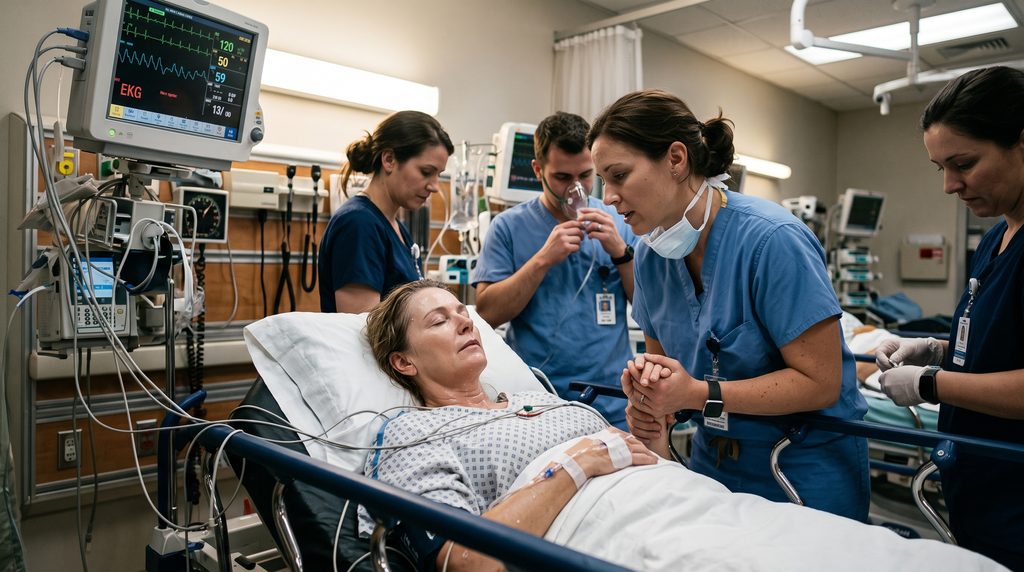
Whether you think NDEs are credible depends on what you’re looking for. If you want scientific proof of an afterlife, there’s still plenty of debate in the research community. However, researchers have found NDE stories across all ages, backgrounds, and cultures, and many people who go through one describe similar features, even if they’ve never heard of an NDE before.
Medical research has identified common patterns, like
- Out-of-body sensations
- Traveling through a tunnel
- Feelings of peace or warmth
- Encounters with deceased loved ones
- A barrier or “point of no return”
Most experts explain these as triggers in the brain or a flood of chemicals during major physical stress. But some aspects, such as people accurately describing events from an out-of-body perspective, puzzle scientists and spark new research. The International Association for Near-Death Studies (IANDS) has collected thousands of cases, including some double-checked by hospital records.
Plenty of doctors, such as Dr. Sam Parnia, have studied NDEs and found details that just can’t be brushed aside easily. While the science behind them is still being figured out, the experiences themselves have been well documented. For many, that’s enough to consider them credible personal accounts.
Influence of Culture and Belief
Culture and background shape how NDEs are experienced and described. In the United States and Europe, people often talk about a tunnel of light or meeting angels. In Asia, the stories might include ancestors or peaceful landscapes. In Africa, some encounter spirit elders or hear traditional music. Even if the details change, the feelings, such as peace, love, and sometimes a life review, remain.
Religion also plays a role. People with strong beliefs might see religious figures, while nonreligious folks just describe light, energy, or a sense of connection. It’s interesting how our minds build these visions based on personal backgrounds, but the impact after returning is really similar. Folks often feel less scared of death, more hopeful, and eager to help others. Communities built around discussing NDEs allow people to share experiences, ask questions, and process the adventure together, regardless of their beliefs.
Common Questions About Near-Death Experiences
I get asked a lot of the same questions when talking about NDEs. Here are a few of the most common questions, plus what I’ve learned:
Are people changed after an NDE?
It’s pretty common for folks to report major changes. Some find new purpose, reconnect with family, or become more spiritual. It’s not always sunshine, though; a few people struggle to find words for what happened and sometimes feel lonely because others don’t understand. Others, however, go on to write books or speak about their experiences, helping to normalize these conversations.
Can everyone remember their NDE?
Not always. Some people come back with no memory, while others remember everything with crystal clarity. Age, medication, and even stress at the time could play a role in what’s remembered or forgotten.
Do NDEs prove there’s life after death?
That’s the big question. There’s no scientific proof of what comes after death, but NDEs are real experiences for those who have them. The search for answers is still ongoing, and there’s new research each year, so it’s worth keeping an eye on if you’re curious.
What Science Says on Near-Death Experiences
Most medical experts think NDEs are related to brain processes, such as lack of oxygen, big changes in brain chemistry, or psychological protection from trauma. There are studies suggesting people’s brains are sometimes active for several minutes after the heart stops, which could explain memories during times when someone seems gone.
Despite those theories, no one has mapped out every detail of why or how people report seeing things no one expected. Universities in France and the US continue to study NDEs. What’s clear is that stories keep coming in, and there’s more to learn every year. Many studies also focus on the aftereffects, like changes in the way survivors think about community, meaning, and their role in the world, which keeps this subject relevant in psychology classrooms and medical training programs.
Wrapping Up
Reading and listening to NDE stories is both comforting and mind-opening. Whether you’re deeply spiritual or just curious about what happens in the brain during trauma, these stories always spark conversation and wonder. It’s pretty clear that, no matter the cause, near-death experiences shape people’s lives and beliefs in a big way all over the globe.
If you’re interested in learning more, there are entire communities dedicated to sharing and studying NDEs. Checking out these resources can help anyone develop more empathy for those who face these moments and serves as a reminder of how fascinating and mysterious life can be. If you want to dig in further, plenty of books, YouTube videos, documentaries, and online forums are out there for you to check out.