

Near-death experiences (NDEs) have fascinated people from all walks of life, sparking deep conversations about what they mean and how they connect to spirituality. These moments, when someone comes close to dying due to illness or accident or is briefly declared clinically dead before coming back, often come with vivid stories of light, peace, and even encounters with otherworldly beings. For a lot of folks, these experiences raise some big questions about life, death, and whatever might come after.
NDEs Explained: What People Experience
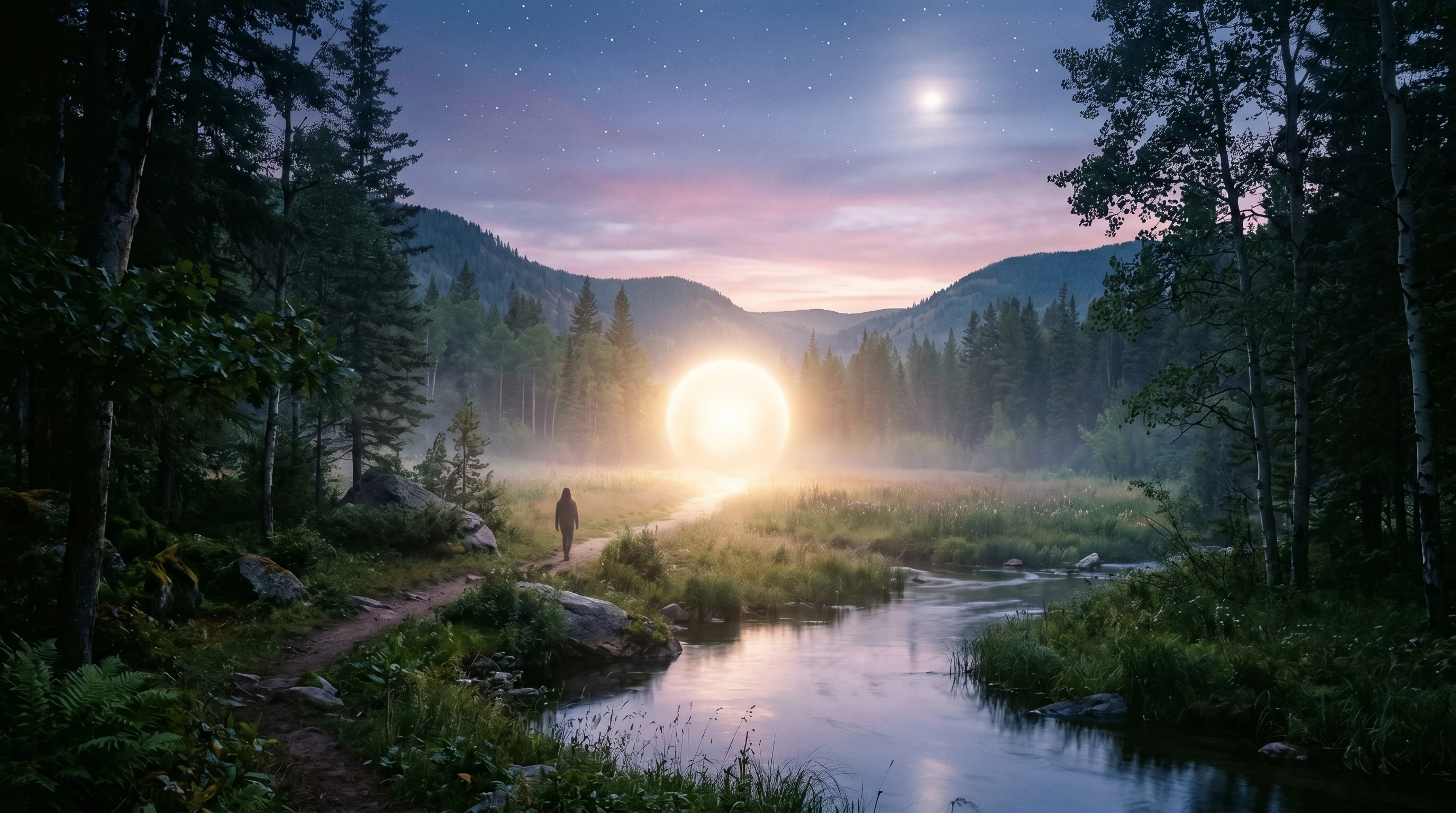
NDEs show up in all sorts of ways. Most commonly, people who’ve faced serious accidents, cardiac arrests, or medical crises describe sensations like floating above their bodies, moving through tunnels, meeting deceased relatives, or encountering a bright, warm light. Patterns often include feelings like overwhelming peace, a sense of being outside time, or communicating with mysterious presences.
If you’ve ever come across a story where someone says, “I saw my whole life flash before my eyes,” there’s a good chance they’re describing an NDE. There’s no single checklist for NDEs, but a few things tend to come up, like the following:
- Out-of-body experiences: Feeling disconnected from the physical body while still being aware of surroundings or events nearby.
- Passing through tunnels: Moving through dark spaces toward a brilliant light ahead.
- Feelings of deep calm and love: A strong sense of peace, joy, acceptance, or unconditional love, sometimes described as more real than waking life.
- Encounters with beings or a presence: Meeting spiritual figures, loved ones who have died, or feeling enveloped by an all-knowing presence.
While the medical world often looks for biological explanations, such as a lack of oxygen to the brain, plenty of people see their NDE as a deeply spiritual event, a brush with a realm that’s typically hidden from us.
How Spiritual Traditions Interpret NDEs
Spirituality and religion shape how different cultures and individuals make sense of NDEs. In some parts of the world, these stories line up closely with local beliefs about what happens after death; in others, they spark fresh debates about meaning and purpose.
Here’s a look at how a few spiritual paths approach NDEs:
- Christianity: Many Christians who go through NDEs interpret them as glimpses of Heaven or encounters with angels, Jesus, or departed loved ones. The bright light is often seen as a symbol of God’s love and acceptance.
- Buddhism: Buddhist interpretations often focus on lessons learned from NDEs, such as compassion, letting go of ego, or the impermanence of life. For some, the tunnel or light represents the Bardo, the intermediate state between death and rebirth.
- Indigenous and Earth-based traditions: These traditions might see NDEs as spirit journeys or shamanic visions, offering wisdom or healing from the spirit world.
- Hinduism: Some Hindu stories suggest the NDE is a temporary visit to Yama, the lord of death, or a glimpse at the soul’s passage between lives.
Personal values, upbringing, and beliefs play a huge role in how people make sense of what they see and feel. It’s pretty common for NDE stories to take on the color and shape of the storyteller’s background or spiritual tradition, leading to fascinating variations in how these moments are understood worldwide.
Common Spiritual Themes in NDE Accounts
Getting into lots of NDE stories, there are a few messages that seem to pop up again and again, no matter where people are from or what they believe. Here are some spiritual themes folks often bring back after an NDE:
- A sense of interconnectedness: Many people describe feeling closely connected to everything and everyone, almost like all of life is part of one big web.
- Love and forgiveness: A wave of unconditional love, self-acceptance, or the urge to forgive others often comes along with NDEs.
- Life review: Some NDEs include a rapid replay of key life moments, sometimes with a sudden sense of understanding, purpose, or even regret over missed opportunities to love and connect.
- Continued consciousness: The strong sense that consciousness, the “me” behind the experience, doesn’t just vanish when the body stops functioning. This often reshapes how people see death.
These themes are super important for those who go through NDEs, but they also resonate with anyone searching for meaning, healing, or insight about what life’s all about. Some people who have never had an NDE themselves still find comfort and perspective by learning about these stories.
What Science and Medicine Say About NDEs
Science brings a different lens to NDEs, aiming to describe what’s happening in the brain and body when people have these experiences. Some researchers suggest that NDEs may result from the brain’s reaction to a lack of oxygen, high stress, or chemical changes during trauma. Others point out how things like endorphins and neurotransmitters might produce sensations of calm, vivid imagery, or out-of-body feelings.
There’s also growing curiosity about how NDEs change people afterward. A lot of folks say they come back with less fear of death, a stronger sense of spirituality, or a new sense of purpose. Even skeptics admit that, regardless of the explanation, the impact on someone’s life can be significant.
If you’re curious about research, check out sources like the Near-Death Experience Research Foundation for firsthand NDE accounts, or jump into articles from scientists and clinical psychologists. These can help bridge the gap between what people experience and how it’s understood in the medical community. You can also explore recent books or academic journals discussing the ongoing debate between the spiritual and biological viewpoints on NDEs.
Everyday Life: How NDEs Shape Spiritual Growth
A big part of what makes NDEs so fascinating is how they often reshape the lives of people who experience them. After an NDE, it’s common for someone to rethink priorities, work on healing old wounds, or get more involved in community and spiritual practices. Some people find themselves drawn to meditation, prayer, or acts of service, feeling like they’ve received a second chance or a message to spread kindness.
You might notice someone with an NDE history talk about feeling less materialistic, more forgiving, or simply appreciating each day. Some jump into creative pursuits or get involved in hospice work, wanting to bring comfort and understanding to others at the end of life. These changes often ripple out, affecting families, friendships, and even entire communities as people affected by NDEs share their insights and new outlook on living with those around them.
Helping Friends and Family Understand
If someone you know goes through an NDE, it’s helpful to listen without judgment. These stories can be hard to talk about, especially if they don’t line up with what’s considered normal or “real.” Taking time to hear them out, without trying to explain or fix anything, goes a long way in supporting their spiritual adventure and honoring their lived experience. Just being there and allowing space for honest reflection makes a big difference for someone processing these unusual events.
Barriers and Skepticism Around Spiritual NDEs
It’s totally normal to come across doubts, both from inside and outside the spiritual community. Some folks just aren’t comfortable talking about things that can’t be proven or measured. Others might worry that sharing an NDE experience will get them labeled as unusual or just seeking attention.
On the flip side, science sometimes bumps into its own limits. While there are good theories about the brain’s role, nobody has a full explanation for every detail, especially when people come back with information they couldn’t possibly have known through normal senses. This leaves room for debate and keeps the conversation about the meaning of NDEs open.
If you’re navigating skepticism, whether your own or from others, it helps to remember that NDEs are personal and complex. For a lot of people, it’s more about exploring what these experiences mean to them than getting absolute answers or fitting everything neatly into one explanation.
Tips for Exploring Spiritual NDEs in Your Own Life
If you’re interested in NDEs, spirituality, or just looking for perspective on life’s big mysteries, here are a few ways to check out this topic:
- Read a range of NDE stories: Hearing from people of different ages, backgrounds, and beliefs can give you a broader view and help you spot common threads.
- Reflect on your own beliefs: NDEs often spark questions about life, death, and beyond. Taking time to journal or talk with trusted friends can help you process these questions in your own way.
- Connect with spiritual communities: Many groups hold open forums, retreats, or workshops exploring consciousness, spiritual awakening, or the afterlife. Whether online or in person, these can be a great space for honest conversation and exploration.
- Talk to professionals: If an NDE leaves you feeling shaken, a therapist or spiritual counselor with experience in this area can offer support and direction without judgment. Sometimes, connecting with someone who has heard plenty of similar stories can make processing things much smoother.
Keep in mind that simply being curious and open-minded is often the most valuable tool when exploring the spiritual side of NDEs. There’s no universal rulebook, and it’s okay if your feelings or ideas about this topic change over time.
Frequently Asked Questions
Here are a few common questions folks have about the spiritual side of NDEs:
What’s the difference between a spiritual and a medical explanation of NDEs?
Spiritual explanations describe NDEs as a glimpse into another realm or a visit from a higher power. Medical explanations focus on what’s happening in the body and brain. A lot of people find value in both perspectives.
Do all NDEs include religious images or messages?
No. While many people see or hear things tied to their beliefs, some NDEs are quite neutral, focusing mostly on feelings of peace, light, or a sense of connection instead of specific religious symbols.
Can someone become more spiritual after an NDE?
For many, yes. NDEs often make people think more deeply about meaning, kindness, and life after death, which can lead to a much stronger interest in spirituality or spiritual practices.
Conclusion
Exploring NDEs through a spiritual lens can really open up new ways of thinking about life, death, and what might come next. Even if answers aren’t solid or provable, the conversations these experiences spark help us connect with each other and push us to ask what really matters in our own lives.
If NDEs interest you or someone you care about, there are loads of stories, books, and communities ready to share and explore. Jump on YouTube. There are many NDE personal videos about someone who had a near-death experience sharing his or her experience with the public.
Spirituality isn’t about having everything figured out. It’s about being curious, open, and willing to learn from each step along the adventure, wherever it leads.