

Near-death experiences, or NDEs, are something I’ve read a lot about, and I’m constantly fascinated by how different people report them after all sorts of medical emergencies. I notice that, whether it’s heart attacks, traumatic injuries, or near-drownings, the details of what people remember often have a lot in common, but they can also vary in surprising ways. Looking into the patterns and differences across these cases is a pretty eye-catching way to get a sense of how our brains and perceptions react during medical crises. If you’ve ever wondered why people see tunnels, lights, or feel a deep sense of peace during moments like these, I’ll help break it down in language that’s both easy to follow and based on what studies and real patient stories tell us.
Overview of Near-Death Experiences Across Emergencies
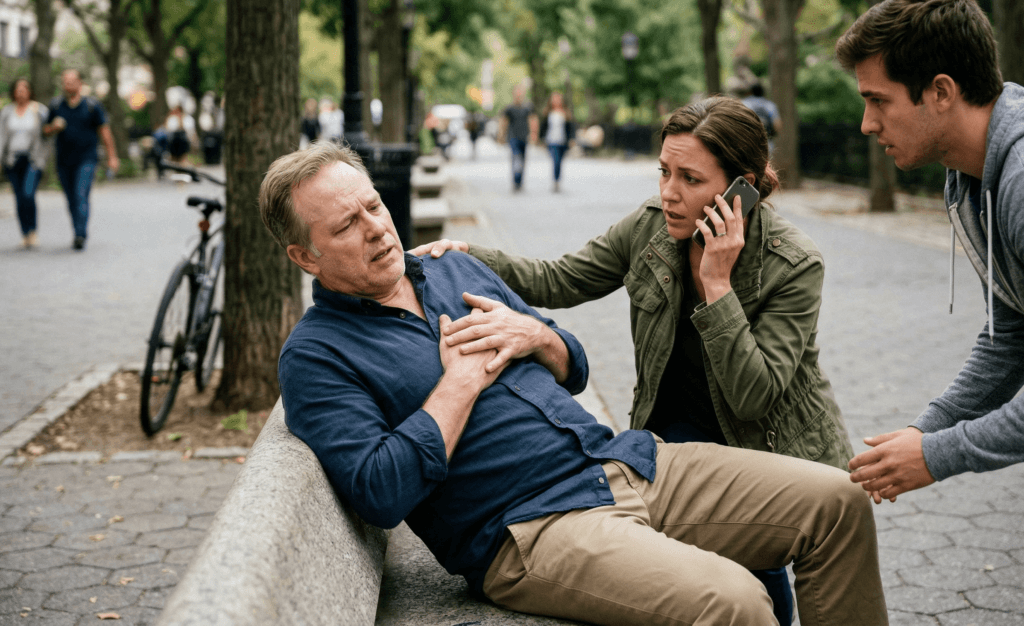
Near-death experiences can happen in almost any type of medical emergency where consciousness is lost or severely altered. Some of the most commonly reported situations include cardiac arrests, severe trauma like car accidents, major surgeries with anesthesia complications, strokes, and even unexpected causes like electrical injury or severe allergic reactions. These are moments when someone’s life is hanging by a thread, and it’s under these conditions that people sometimes report unusual perceptions or memories once they recover.
It’s not always about being clinically dead. Sometimes it’s more about the mind going through extreme stress and the body teetering at the edge of survival. NDEs have been reported for centuries and across all sorts of cultures, which makes them an just one area for research and a topic full of really interesting personal stories.
What Are the Common Features of NDEs?
Even though NDEs happen with different emergencies, people tend to describe some classic features. Here are some you’ll commonly hear about:
- Feeling of leaving the body: This is often described as looking down at yourself from above, like an out of body experience.
- Moving through a tunnel or hallway: Many report a sort of tunnel sensation with light at the end.
- Seeing bright lights: People commonly mention seeing a comforting, often very bright light.
- Feeling of peace or euphoria: Despite the medical chaos happening around them, individuals often feel incredibly calm or happy.
- Life review: Some remember seeing important moments from their life flashing by in rapid sequence.
- Encounters with others: A lot of NDEs include meeting deceased loved ones or spiritual figures, sometimes just feeling their presence rather than seeing them directly.
These features tend to show up again and again, no matter whether the crisis was a heart attack, drowning, or something else. There are differences in how often certain features come up, depending on the type of emergency.
How NDEs Differ Depending on the Medical Event
The specific details in NDEs can differ depending on what kind of emergency someone went through. Here’s how some of the most common situations compare:
- Cardiac Arrest: This is where most of the formal NDE studies come from. In these cases, people are sometimes completely unconscious with no heartbeat for a short period. Out of body sensations and feelings of peace are especially common. There’s even research showing that around 10-20% of those who survive cardiac arrest remember something that counts as an NDE.
- Trauma or Accidents: Experiences during trauma, like a car crash or serious fall, might include more fragmented or dreamlike sequences. A lot of the time, people remember bits of floating or being aware of what’s going on around them without responding physically.
- Near-Drowning: NDEs in these situations sometimes have a slow-motion or out-of-time feeling. Survivors often say they felt an odd detachment or peacefulness, even as their body was struggling for air.
- Anesthesia Complications: When NDEs happen during surgery, people may report tunnels and light but also sometimes very vivid dreams or visions that mix hospital reality (like doctors’ voices) with surreal images.
So, the core elements are there across cases, but the way memory and consciousness are altered by each crisis can really switch up the flavor or sequence of what people remember. This points to how strongly the physical state affects the mental state and experience.
What Causes Near-Death Experiences?
I find it really interesting that researchers still don’t fully agree on what causes NDEs. Some scientists think it all comes down to the brain being starved of oxygen or going through sudden chemical changes during extreme stress. Others suggest that NDEs involve deeper processes that we don’t fully understand—maybe tied up with how consciousness operates when the brain is in crisis.
For example, during a cardiac arrest, blood flow to the brain stops almost completely. This can mess with visual and auditory processing, which could explain the tunnels and out of body sensations. On the other hand, the intense sense of peace or encounters with loved ones might be the brain’s way of coping with overwhelming trauma or fear by “flooding” itself with a “good feeling” chemicals.
Whether NDEs stem from biology, psychology, or something else entirely, the fact that people from diverse backgrounds and emergencies report such similar features is a topic that keeps both scientists and the spiritually curious coming back for more. It’s also sparked growing interest in whether these experiences hold clues about the nature of consciousness itself, and whether all humans might have some shared mechanism for surviving and processing extreme threats.
Things to Think About Before Drawing Conclusions
NDEs are a really intriguing subject, but I always remind myself and others that every experience comes with its own context. Here are some factors to think about if you’re looking to get a better handle on them:
- Cultural background: What people report seeing or feeling sometimes matches their personal beliefs or what they’ve seen in movies or read about in books. This shapes the details of their experience.
- Memory gaps: Strong medication, trauma, or the shock of almost dying can scramble memory. Sometimes what’s remembered isn’t the exact replay of the event, but more like a vivid dream or mix of memories.
- The medical situation: Oxygen loss, medications, and even fever or infection can all influence how a person’s brain works during a crisis. Each emergency type might have its own typical “ingredients” for how the experience plays out.
- Communication issues: People often have trouble putting their experiences into words. Some say it’s tough to describe, so their retelling might simplify or miss the truly strange or hard-to-express parts.
Oxygen Loss and Brain Chemistry
One leading theory is that when oxygen levels crash, as during cardiac arrest or trauma, nerve cells in the brain start acting up. This could account for both visual and emotional sensations that don’t match reality. When you add a surge of stress related hormones, you get that powerful, sometimes very peaceful feeling that comes up in so many stories.
Personal Beliefs and the Experience
Personal beliefs have always played a big role in how people make sense of their own NDEs. Someone with strong spiritual views might be more likely to see certain visions as meeting deceased family or guardians, while others see it as a dream or hallucination. Neither viewpoint cancels out the deep, lasting impact these events can have on a person, as many people—even those skeptical of anything supernatural—find the experience sticks with them for life.
There are even a few studies showing that regardless of belief systems, people tend to assign profound meaning afterward. This suggests that the psychological effects of NDEs go deeper than just surface-level explanations or cultural background.
The After-effects: How NDEs Change People
Many people say their NDE changed how they view life and death. Some lose their fear of dying and report feeling a lot more peaceful day-to-day. Others become more interested in spirituality or helping others as a result of what they saw or felt. For some, the experience brings up fresh questions or even anxiety, especially if the memories are confusing or hard to talk about. It’s pretty common for people to check in with counseling or support to work through these feelings. Organizations like the International Association for Near-Death Studies (IANDS) have resources and support groups for people looking for answers or just a place to share what happened to them.
Recent interviews and surveys show that people often carry the memory of their NDE for decades, reporting not just psychological changes, but sometimes physical changes in how they react to stress or emotional challenges. Scientists continue to track down patterns and look for clues about how NDEs shape a person’s outlook on existence and the future.
Frequently Asked Questions
Here are a few common questions I often hear from people curious about NDEs:
Do all people in lifethreatening emergencies have NDEs?
No, most do not. Even among people who lose consciousness briefly, only a small percentage report any memory at all, and an even smaller group describes an NDE.
Are NDEs always pleasant?
Not always. While most reports describe peace or even joy, some people do have neutral or distressing experiences. It depends on the person and situation.
Are NDEs proof of the afterlife?
There’s no scientific agreement here. NDEs are commonly seen by researchers as part of how the brain reacts to crisis, but others view them as glimpses of something beyond. There isn’t enough evidence for anyone to claim a definite answer.
Helpful Resources if You’re Interested in NDEs
If you want to read more about NDEs, there are some really helpful books, documentaries, and research articles out there. For research-focused material, this article from the National Library of Medicine offers a good overview. Books like “Consciousness Beyond Life” by Dr. Pim van Lommel jump into the science and questions around NDEs.
Curiosity is a great starting point with topics like this, and checking out different viewpoints can bring new insight whether you’re scientifically minded, spiritually leaning, or just fascinated by human experience under extreme conditions.
If you are interested, I found an interesting book on Amazon called, NDEs in the Emergency Room (fifty true near-death experience accounts), by Claire Cooper. You can get a free preview to determine if it interests you before you decide to buy.
“Here’s a little transparency: Our website contains affiliate links. This means if you click and make a purchase, we may receive a small commission. Don’t worry, there’s no extra cost to you. It’s a simple way you can support our mission to bring you quality content.”