

Oxygen deprivation and Near-Death Experiences (NDEs) are topics that spark a lot of curiosity. I’ve always found it fascinating how people report intense, vivid experiences during moments when their brain isn’t getting enough oxygen. There’s an ongoing debate about whether NDEs are spiritual events or if there’s a solid psychological basis behind what people report. This article unpacks what happens in the brain during oxygen deprivation, how these episodes might shape NDEs, and what psychology today says about it all.
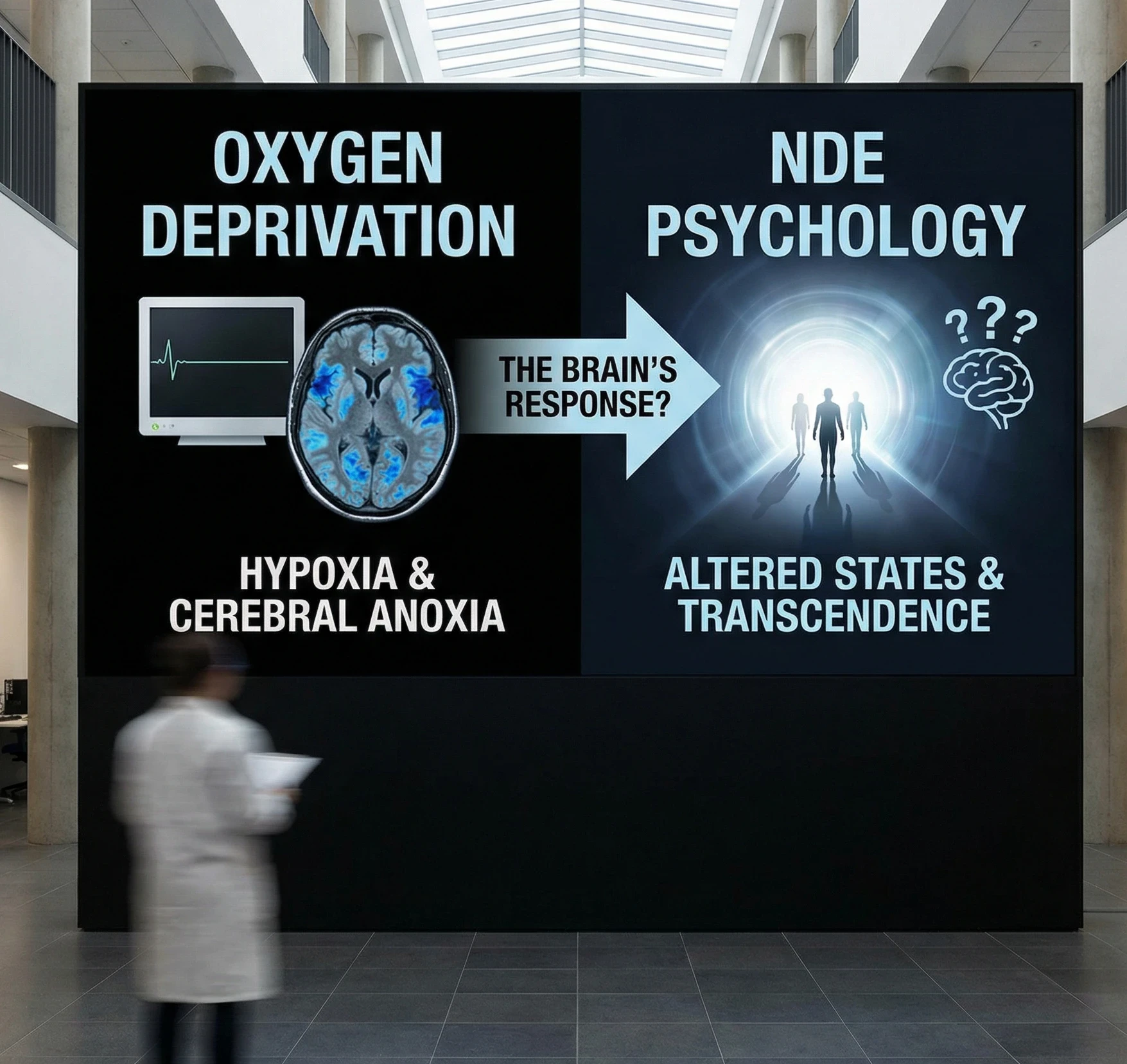
Oxygen Deprivation: What’s Happening in the Brain?
The brain is super sensitive to oxygen levels. Even a small drop can cause things to go sideways pretty quickly. When oxygen flow is reduced—a condition known as hypoxia—brain cells can’t work normally. This is why people often feel dizzy, confused, or lightheaded when they’re in high altitudes, underwater for too long, or experiencing a medical episode.
One of the first signs of oxygen deficiency is a change in mental state. You might notice someone acting confused, struggling to focus, or even feeling detached from reality. These changes can feel surreal, and that’s where things start to overlap with the kinds of experiences people describe in NDEs. For more on symptoms of low oxygen, Mayo Clinic has a handy list on hypoxemia symptoms worth researching.
What Exactly Is a Near-Death Experience?
NDEs describe a set of sensations or perceptions that people often have when they’re near physical death or in situations where they feel their life is under real threat. Classic elements in these reports include things like seeing a bright light, feeling at peace, having an out-of-body experience, or sensing a tunnel. Some folks say they see loved ones, review their life in flashes, or even visit otherworldly places.
While the details differ, these experiences are often deeply emotional and feel incredibly real to the person going through them. The tricky part is figuring out whether these come from something happening in the brain, or if there’s a spiritual component at play. In fact, many researchers have noted that the subjective intensity of an NDE can rival anything a person has experienced in ordinary life.
Sometimes, individuals report a sense of profound connection with the universe or encounter vivid imagery they can’t quite explain. That strong emotional resonance is one reason these reports have both fascinated and mystified people across cultures and centuries.
Psychological Effects of Near-Death Experiences
After an NDE, some people talk about major shifts in how they view life. They may feel less afraid of dying, have more compassion, or become interested in spiritual topics. Some experience anxiety or insomnia, struggling to process what happened. A study published in the Frontiers in Human Neuroscience journal reports that these changes are common and can last for years.
People who have NDEs sometimes feel disconnected from ordinary life. The experience can be so intense and weird that it’s hard to talk about with others. This creates a sense of isolation for some, even though curiosity about the meaning behind these events is high. Psychology today recognizes this and encourages open-minded discussion, which can help people process and integrate what they went through. Some therapists now specialize in helping clients work through the spiritual or existential questions that might arise following an NDE. For those interested, peer support groups can also offer a sense of community and understanding.
On top of the psychological aftereffects, people sometimes find their values have radically changed. It’s not unusual for someone to pick up new interests, shift their priorities, or even change careers or life direction based on the clarity or insight gained during their near death experience. The powerful memory of their experience often lingers for years, shaping how they relate to themselves and others.
What Are the Symptoms of Oxygen Deprivation?
The main symptoms show up quickly and can get pretty serious if the brain’s not getting what it needs. Here’s a quick rundown of what you might notice when someone’s oxygen levels drop:
- Confusion or Memory Loss: Short-term confusion is a common symptom. People can forget where they are or what just happened.
- Visual Disturbances: Tunnel vision, seeing bright lights, or other visual changes often occur.
- Dizziness and Lack of Coordination: Moving suddenly gets tough, walking becomes wobbly, and the person may feel spacy.
- Losing Consciousness: Fainting (also known as syncope) or a complete black-out happens if things progress far enough.
More severe cases might lead to strange sensations, like floating above one’s body or hearing familiar voices that aren’t there. These are the same kinds of things people describe during NDEs. This overlap is one of the reasons researchers look at oxygen deprivation as a possible explanation. While it’s important to get medical help fast, being able to spot these signs can make a huge difference in emergencies or risky settings, such as high-altitude climbing or deep-sea diving.
Science or Spirituality? Breaking Down the Debate
Here’s where things get hotly debated. Some argue NDEs are proof of consciousness continuing after death. Others say it all comes down to what’s going on in the brain when there’s not enough oxygen. Studies tend to show that during periods of severe stress, like a heart attack or traumatic injury, blood oxygen plummets, and so does brain activity. As the brain starts to lose function in specific areas, all kinds of strange perceptions can happen.
Seeing lights or tunnels might result from the visual cortex in the brain not working right when starved of oxygen. Out-of-body experiences can be linked to changes in parts of the brain responsible for self-perception. An article titled, What Near-Death Experiences Reveal about the Brain, explores this, highlighting how the science behind NDEs is both complicated and fascinating.
On the other hand, the personal and sometimes life-changing nature of NDEs leaves the door open to spiritual interpretations. A lot of people take comfort in seeing these experiences as a connection to something bigger or as evidence of life after death. Both perspectives have strong supporters, and psychology today recognizes that the answer often depends on your personal beliefs and the available science.
What’s clear is that the debate between science and spirituality isn’t easily settled. Some researchers argue that even if there’s a scientific explanation for these phenomena, it does not reduce the meaning or personal significance that individuals ascribe to their experiences. For people interested in the bigger philosophical questions, near-death experiences provide a unique window into themes of consciousness, existence, and what it means to be alive.
How Hypoxia Contributes to NDE Phenomena
When oxygen deprivation kicks in, the brain becomes hyperactive just before losing normal function. This period, sometimes called “disinhibition,” unleashes random, intense firing of neurons. In that moment, the boundaries between reality and imagination blur. This might explain some of the vivid sensations and perceptions during a near death experience.
- Tunnel Vision: The dying visual cortex can create a fading, tunnel-like sensation. This isn’t unique to near-death; fighter pilots in high-G training sometimes report the same thing.
- Sensations of Floating: When certain parts of the brain stop working in sync, you can feel detached from your own body.
- Euphoria and Calmness: Endorphins and neurotransmitters flood the brain to help ease pain and stress, which could trigger peaceful or feel-good sensations.
- Hearing Voices or Music: Auditory hallucinations sometimes crop up depending on which neural circuits are affected.
The connection between hypoxia and NDEs isn’t ironclad, but these brain-based patterns keep showing up in scientific studies. If you want more detail, Distressing Near-Death Experiences: The Basics overview covers several theories and findings. Scientists still have a lot to figure out about exactly how different oxygen levels affect various brain regions, but what’s emerging is a stronger connection between physical processes and the intense experiences people report.
Some animal studies have even shown that mammals sometimes display behaviors similar to NDEs under extreme oxygen reduction, raising more questions about how much of this is wired into biology. As research continues, the physiological explanations are likely to get clearer, but for now, this area is full of interesting theories and ongoing discoveries.
Frequently Asked Questions About Oxygen Deprivation and NDEs
Here are answers to some of the most common questions people have when learning about oxygen deprivation and NDE psychology.
What are the psychological effects of NDE?
Most people report lasting effects, like a more positive outlook on life, reduced fear of death, and sometimes relationship or value changes. Others struggle with anxiety or trouble finding meaning in the experience. Open conversations with therapists familiar with NDEs can be super helpful.
What is one of the first signs of oxygen deficiency?
Confusion and trouble concentrating tend to show up quickly. These early symptoms can get severe fast, so immediate help is important if you spot them.
Are NDEs more spiritual or psychological?
This is currently up for debate. Some researchers think NDEs result mostly from the brain under stress, especially when oxygen is in short supply. Others say the depth and meaning of these experiences point to something spiritual. The real answer probably depends on a mix of personal beliefs and medical knowledge.
What is the Oxygen Deprivation and NDE Psychology about?
It’s about understanding how low oxygen levels in the brain can influence consciousness, memory, and perception. This area of psychology explores why so many NDE phenomena track closely with what’s known about brain function under extreme physical stress.
Does everyone experience similar NDEs under oxygen deprivation?
No, the experience can vary widely from person to person. Cultural background, existing beliefs, previous experiences, and even the specifics of the medical circumstance can all influence how someone interprets what’s happening. Some see vivid colors, some hear sounds, some report seeing loved ones, while others may have blackouts or fragmented memories instead. What is consistent is that severe oxygen deprivation tends to make people experience altered states of consciousness.
How Psychology Approaches the NDE Conversation Today
In modern psychology circles, NDEs are taken more seriously than ever before. Researchers bring together experiences from patients, data from brain scans, and accounts from people in recovery. There’s a push to stay open-minded while digging into the science. More hospitals have protocols around helping people process weird experiences after resuscitation, and support groups exist for those who have gone through NDEs.
It’s an area where new discoveries can change what we think we know. I’ve found that checking out diverse sources—medical, psychological, and personal—helps develop a more balanced understanding. There’s still a lot to learn about what really happens in the brain during moments of oxygen deprivation, and how NDEs fit into the bigger picture of human consciousness.
Oxygen deprivation and NDE psychology shows us how much of our experience depends on the brain’s health, even in its most fragile moments. Whether you lean more toward science, spirituality, or both, the discussion itself brings new ways to think about life, death, and consciousness. With continued research, both in clinical settings and from the stories of people who have lived through NDEs, we’ll keep learning and growing in our understanding of this truly eye-catching oxygen deprivation and near-death experience research.