
Research into near-death experiences (NDEs) has always fascinated both scientists and the public, especially when it comes to what happens in the brain at the edge of life. This post resembles the last post but has more detail about the latest research on NDE brain activity
In recent years, fresh studies using EEG, MRI, and other brain monitoring tools have shaken up what we know about brain activity during and after clinical death. I find this area seriously intriguing, not just because it helps answer big questions about consciousness, but also because it reveals how much the brain can surprise us in its most extreme moments.
What Is an NDE, and Why Study Brain Activity?
When folks talk about near-death experiences, they usually describe unusual perceptions and vivid states of consciousness during a close brush with death, like cardiac arrest. The classic stories involve going through tunnels, meeting deceased loved ones, or feeling intense peace. Researchers study brainwaves during these episodes to check if there’s any neural basis for these experiences. By seeing what happens in the brain when the heart stops or blood flow is severely reduced, science gets clues about where consciousness comes from and how it might persist in unexpected conditions.
Latest Research Insights: Brain Activity During and After Death
Several global teams have made headlines lately with discoveries on what the brain does around the time of death. One of the biggest questions is whether conscious experiences could be possible even after blood stops flowing to the brain.
A study published in PNAS observed spikes of brainwaves—especially gamma waves—in patients who flatlined during cardiac arrest. Surprisingly, these bursts arrived after the heart had stopped pumping, suggesting organized brain activity at a moment when few would expect it. Such findings raise big questions about consciousness and the brain’s last sparks. Study Method Key Finding 2013 EEG (rats, anesthetized and in cardiac arrest) High-frequency activity suggesting consciousness-like states just after the heart stopped (2022) Human EEG (ICU patients on life support) Measurable gamma activity minutes after withdrawal of life support 2023 Human EEG (cardiac arrest patients) Brief organized brainwaves, especially gamma, following clinical death
Up to 40% of cardiac arrest survivors recall some sort of conscious experience, based on a 2022 meta-analysis. Actual EEG spikes are rarer, spotted in about 15–20% of closely monitored patients at death in hospital research. This gap between subjective memories and measurable brain activity keeps scientists on their toes, pushing for better tools and bigger study groups.
Breaking Down Brainwaves: What’s Happening During NDEs
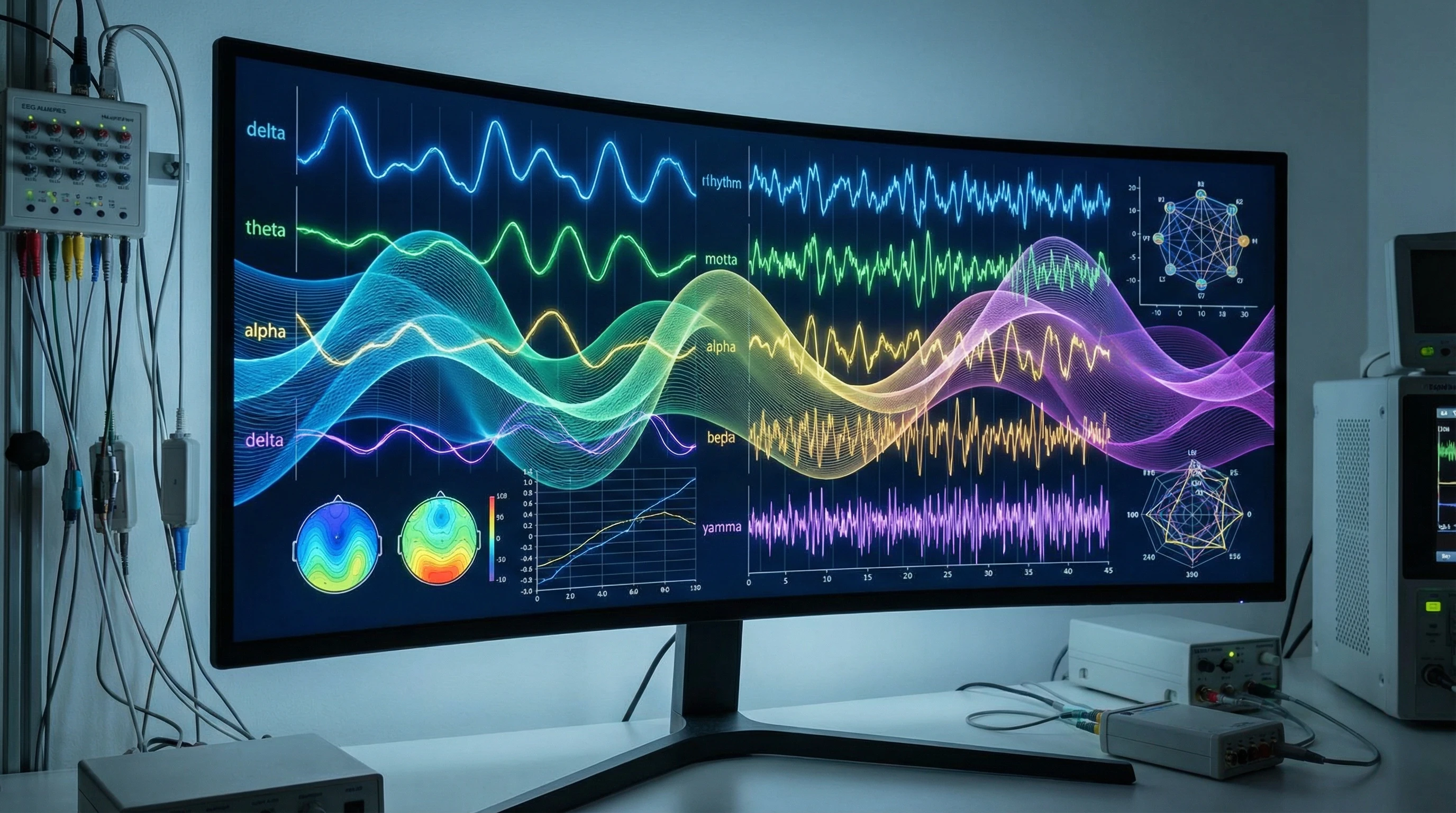
EEG (electroencephalogram) is a machine for measuring electrical activity in the brain, showing patterns like delta, theta, alpha, beta, and gamma waves. Gamma waves particularly catch scientists’ eyes because they’re tied to conscious thought, mental focus, and even feelings of unity in some studies. During cardiac arrest experiments, researchers saw short but intense bursts of gamma even after heart activity stopped. This throws a wrench in the old idea that the brain just “shuts off” without oxygen.
- Gamma bursts: Tied to consciousness, these appear for seconds after cardiac arrest.
- Alpha and beta activity: Sometimes lingers, hinting at organized processing instead of a total blackout.
- Flatline phases: Usually, the brain becomes electrically silent after a short period, but these spikes pop up before the true “flatline.”
Dr. Sam Parnia, an expert at NYU, thinks these spikes might be linked with the kind of transformative experiences people describe during NDEs. For instance, some folks have shared clear perceptions even when their brains were thought to be “offline.” But not everyone gets this energetic rush, which means there’s more to learn about who experiences what.
Tools and Techniques Used in NDE Brain Research
Studying brain activity right at the moment of death is tough, but researchers have figured out some creative ways to get the data they need:
- Continuous bedside EEG: Used in intensive care units to monitor terminal patients and those experiencing cardiac arrest.
- Animal models: Especially in rats, recordings help map out patterns in controlled settings.
- Functional MRI (fMRI): Mostly used before and after resuscitation to scan for connectivity changes in survivors’ brains.
- Patient interviews: After revival, patients are often asked about their experiences—these personal accounts add useful context to the numbers.
In many hospitals, EEG data is now being collected routinely for those in severe conditions, giving researchers more rich data to check as time goes on. Combined with new tech, this increases our chances of catching and understanding these fleeting moments.
Limitations and Challenges in Interpreting NDE Brain Data
These findings are definitely eye-catching, but there are some big hurdles. Not all patients show these brain spikes, and recording them depends on having monitors set up just in time. Some critics argue the spikes could be “electrical noise” as the brain is shutting down, not signals of consciousness. Others guess they might be the brain’s last effort to restore order or keep consciousness alive before everything shuts down.
Things get trickier with medications, sedation, or the patient’s underlying health. Distinguishing real “NDE activity” from random firing is a challenge that needs more work. Plus, linking a brain spike directly to an experience is complicated by memory lapses, emotions, and cultural differences in how people tell their NDE stories.
What the Numbers Say: NDE Brain Activity Stats
Here are some recent stats from research reviews and hospital studies: Group Brain Activity Observed Post-Clinical Death Reported NDEs After Revival of ICU Patients (2022) 15% 8% Cardiac Arrest (Meta-analysis, 2022) 20%40% Animal Models (2013) 60% N/A
Nearly half of survivors recall some type of near-death adventure, while the percentage with definite post-arrest brain spikes is much lower. This hints that some experiences may come from smaller or undetectable neural surges or from processes that happen as blood flow comes back, not during the death moment itself.
Cool Findings Worth Knowing About NDE Brain Activity
I’m always interested in how research digs up details that catch people off guard. Here are a few findings from recent NDE studies:
- Some cardiac arrest survivors say they heard voices and saw bright lights while monitors showed minimal or no brain activity.
- A September 2022 Scientific American report highlighted how an ICU patient’s gamma spikes lined up almost exactly with the time they later described seeing a tunnel.
- Not every NDE is peaceful; about 10–15% include stressful or even scary moments, raising more questions about what’s actually happening in the brain.
Practical Takeaways for Understanding NDE Research
If you’re new to this subject, a quick checklist can help frame the big ideas:
- EEG spikes after cardiac arrest are real and observed, but rare. A handful of patients show bursts of gamma or beta activity after clinical death, but not everyone experiences this.
- NDE memories are common among survivors, though it’s unclear exactly how these connect to brain signals.
- Animal studies give clues but aren’t a perfect stand-in for humans.
- Technology still limits how precisely we can measure brain activity at the moment of death in most hospitals.
As brain monitoring gets more advanced, researchers are likely to stumble upon more surprising things about how the dying brain works—and how that relates to some of our most intense and meaningful experiences.
Frequently Asked Questions
Can people be conscious when their brain seems “off” during NDEs?
Some studies hint that it’s possible, based on EEG spikes found after cardiac arrest. Still, science can’t confirm full awareness during these moments; it just shows that brief bursts of organized activity happen.
Does everyone who flatlines get these brainwave bursts?
Not at this point. About 15–20% of closely monitored patients show brain spikes just after clinical death, but with better data and more cases, those numbers may change.
Do NDEs count as proof of life after death?
Neuroscientists say the recorded brain activity raises interesting points but doesn’t settle the question of an afterlife. Most research is focused on what the brain does as it shuts down, not what comes after.
Where NDE Brain Activity Research Is Heading
Looking ahead, future studies are set to make use of portable EEG headsets, improved imaging tools, and larger data sets to track more cases at the edge of death instances. Hospitals are starting to collect more continuous brain data, which should give fresh answers over the next few years. For those hungry for more, journals like Resuscitation and PNAS are filled with new results and open arguments among scientists. NDE brain research keeps neuroscience moving deeper into one of humanity’s biggest mysteries. The coming years are likely to bring even more eye-catching discoveries.