
Consciousness research keeps making headlines with fresh discoveries and ideas that switch up what we think we know about the mind. Scientists, philosophers, and even computer engineers are digging into what it means to be aware, how the brain creates our sense of self, and why we experience the world in a certain way. I’ve been following the twists and turns of this field for years, and the breakthroughs keep coming. If you’re interested in what’s new in consciousness research, there’s a lot to check out.
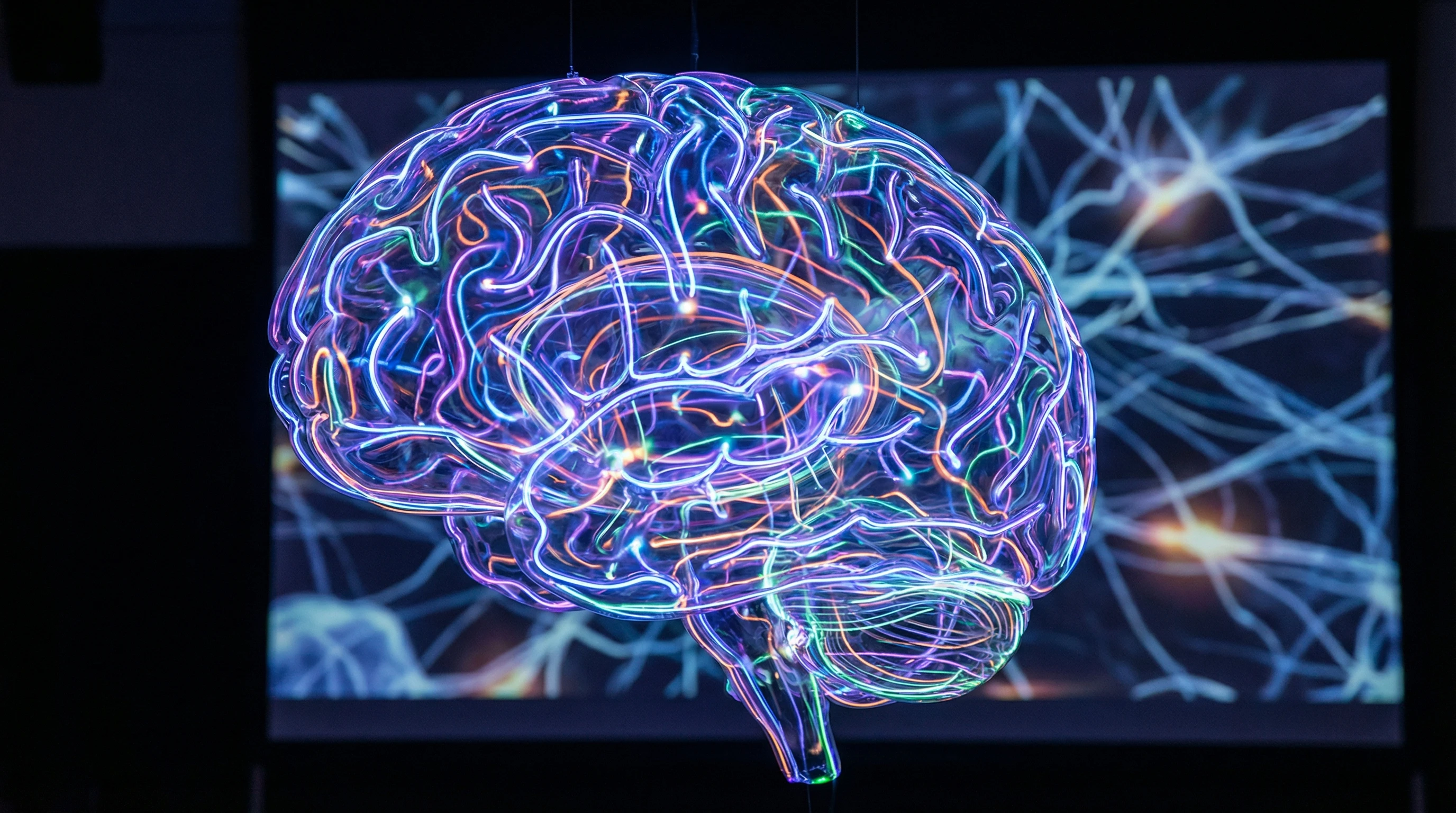
The Landscape of Consciousness Research Today
Research into consciousness has been picking up speed. Universities and neuroscience centers everywhere are treating it like one of the brain’s biggest open puzzles. According to a recent survey, over 60% of neuroscientists now believe consciousness can be measured scientifically, which is a major switch up from even a decade ago, when the topic was considered too philosophical by many labs. Funding has doubled for this area in the past ten years, and hundreds of papers about consciousness are published every month.
Studies are now blending tools from psychology, brain imaging, and computer science. The main questions researchers are trying to answer include: How does consciousness arise in the brain? What’s the difference between conscious and unconscious brain activity? And could machines ever develop something like awareness?
International conferences are held each year where experts highlight the latest findings. Recent discussions include not only neuroscience, but also perspectives from philosophy, cognitive science, and computational modeling. This multidisciplinary approach helps researchers sketch out a more all-in-one view of what being conscious really means.
Major Breakthroughs of the Past Decade
Some of the most eye-catching updates in consciousness research come straight from brain imaging labs. Functional MRI (fMRI) technology, which tracks blood flow in the brain, has uncovered patterns called “signatures of consciousness.” One famous study used these signatures to communicate with patients who were in vegetative states. By asking them to imagine specific activities, researchers could actually get answers back from patients who couldn’t speak or move. About 15-20% of those previously considered totally unresponsive turned out to be aware at some level.
Another major update is in the way scientists talk about brain waves and networks. It’s not just one region of the brain lighting up; it’s a whole collection of regions working together. The discovery of the Default Mode Network is a good example. This network kicks in when we’re daydreaming, self-reflecting, or thinking about others. It’s tightly linked to conscious thought, and disruptions in this network often show up in conditions like depression, Alzheimer’s, or schizophrenia.
Decoding mental images is also gaining ground. A few research teams have demonstrated that it’s possible to reconstruct rough versions of images participants have seen, just by looking at their neural activity with advanced scanning and machine learning. This kind of research opens up new possibilities for understanding what it’s like to “see” thoughts in the brain.
Tools and Techniques Bringing New Insights
Modern technology has genuinely made it easy for consciousness research to take off. Here are a few tools that are spreading fast in the field:
- Electroencephalogram (EEG): Measures electrical signals in the brain, giving a real-time look at brain activity, super handy for studying things like sleep, meditation, and anesthesia.
- Magnetic Resonance Imaging (MRI/fMRI): Allows us to see brain structures, plus which areas are most active during different experiences.
- Transcranial Magnetic Stimulation (TMS): Uses magnetic pulses to temporarily “shut off” or stimulate parts of the cortex; this technique has helped map which regions contribute to conscious awareness.
- Machine Learning Algorithms: These are becoming more common to analyze large amounts of brain data and spot patterns that would be impossible to find otherwise.
With these kinds of tech, labs can not only find out whether someone is conscious, but even what they might be aware of at a certain moment. Some teams can now “decode” basic images or thoughts directly from neural activity, a wild step in brain science.
Wearable devices are another new tool that’s letting researchers track the brain in daily life settings, making long-term studies and at-home experiments possible. With improvements in computational power, there’s less of a wait time for results and insights.
Challenges and Questions That Remain
Even with new tech, consciousness remains one of science’s biggest puzzles. Here are some hurdles that researchers keep running into:
- The Hard Problem: It’s one thing to map the brain’s signals, but explaining why we have subjective experiences at all—why it “feels” like something to be us—is still unsolved and hotly debated.
- Individual Differences: Everyone’s conscious experience is a bit different. Finding ways to measure and compare these subjective experiences is tricky, but progress is happening, with tools like experience sampling and behavior modeling making a difference.
- Disorders of Consciousness: More than 2 million people globally live with disorders like vegetative or minimally conscious states. Diagnosing these conditions and predicting recovery remains difficult, although breakthroughs with brain imaging have helped.
One big advance has been improved diagnosis. Studies show that up to 40% of patients with disorders of consciousness are misdiagnosed due to limitations with traditional bedside exams. Advanced brain imaging tools such as fMRI or EEG can spot signs of awareness earlier and more accurately, which changes the prognosis for many.
The Mystery of Sleep and Dreaming
Sleep science and consciousness research often overlap. Dreaming is a hot area of curiosity. Around 20% of our nightly sleep is made up of REM (Rapid Eye Movement) cycles—this is when most of our vivid dreaming takes place. New EEG studies have identified a “hot zone” in the back of the cortex that becomes highly active during dreams, linking certain brain activity directly with the experience of dreaming.
Lucid dreaming—knowing you’re dreaming while you dream—is also being studied with new brain imaging. This research is shining a light on how conscious awareness can come and go, even while we sleep.
AI, Machines, and the Boundaries of Awareness
With artificial intelligence moving so fast, the question of whether machines might become conscious is trending. Some labs have created algorithms that simulate neural networks based on the human brain, but so far, no AI has demonstrated anything close to true awareness. Scientists have also created scales to measure “integrated information,” an effort to predict the potential for consciousness in artificial systems. This debate brings together philosophy, neuroscience, and tech engineering, fueling lots of interesting perspectives.
Some experts argue that emotions or even the sense of self could, in theory, be programmed into future computers, but most agree that current systems are simply advanced tools rather than conscious beings. Studies with animals, like dolphins and chimpanzees, also help us draw meaningful boundaries by comparing different kinds of awareness.
Practical Applications of Consciousness Research
Discoveries in consciousness are already having an impact on real-world medicine and technology. Here are a few ways these insights are being put to work:
- Medical Diagnostics: Hospitals now use fMRI and EEG to better diagnose and monitor patients with brain injuries. In some clinics, around 1 in 5 patients have their diagnosis updated thanks to improved brain imaging data.
- Therapy and Rehabilitation: Understanding how awareness functions helps therapists design personalized rehab plans for people recovering from brain injuries or strokes. Neurofeedback training—teaching patients to control their brainwaves—has grown by 30% in the last five years.
- New Treatments for Mental Health: Unlocking how conscious thought flows in disorders like depression or PTSD helps in creating targeted medicines and therapies. Some studies even suggest tuning the Default Mode Network can reduce depression symptoms by up to 50% for certain patients.
Research is also underway to make anesthesia safer. By tracking which brain networks turn off during unconsciousness, doctors hope to personalize anesthetic doses better and catch complications early.
Additional breakthroughs include using consciousness research to design smarter prosthetic devices, patient communication aids for those with locked-in syndrome, and educational strategies that optimize attention and memory. As research spreads like wildfire into new industries, more innovations are sure to follow.
Breakthroughs by Real-World Researchers
It’s not just massive labs or government projects making a difference. There are plenty of inspiring stories from individual researchers and smaller teams making big contributions. Dr. Anil Seth and his team at the University of Sussex, for example, have built a “consciousness meter” using portable EEG headsets. It’s now possible to roll these into hospital rooms for fast, bedside brain exams.
The “open consciousness” project at the Allen Institute is another standout, offering everyone free access to huge brain imaging datasets. This open-source approach means even smaller labs can run their own studies or stumble upon new discoveries. Collaborations between psychologists, computer scientists, and artists—sometimes all at once—have produced experiments, art projects, and simulations that capture consciousness in new ways.
These open resources and team-based approaches mean more voices are being heard, more ideas are being tested, and breakthroughs can come from anywhere, not just the world’s largest scientific centers.
Frequently Asked Questions
Here are a few questions I get asked all the time when people want to know more about what’s happening in consciousness research:
Question: Can brain scans really “read” minds?
Answer: Not quite how it happens in sci-fi, but researchers can now identify some basic emotions, thoughts, or images from your brain’s activity patterns.
Question: Are there any medicines or supplements that give a boost to consciousness?
Answer: Some substances can alter or expand conscious experience, like psychedelics, but there’s no proven way to “boost” general awareness just with a pill. Research is continuing.
Question: Could animals or machines be conscious?
Answer: Most scientists agree that many animals show signs of consciousness based on their behaviors and brains. As for machines, experts are divided, and the debate isn’t settled.
What Comes Next?
Consciousness research keeps moving ahead and bringing in people from all corners of science and tech. As brain imaging and data analysis continue to get better, we’ll get even closer to figuring out how subjective experience really works. That could lead to better medical tools, safer anesthesia, smarter artificial intelligence, and brand new insights into what makes each of us unique. If you’re curious about the mind, keeping an eye on these updates is one of the most fascinating rides you can join.