
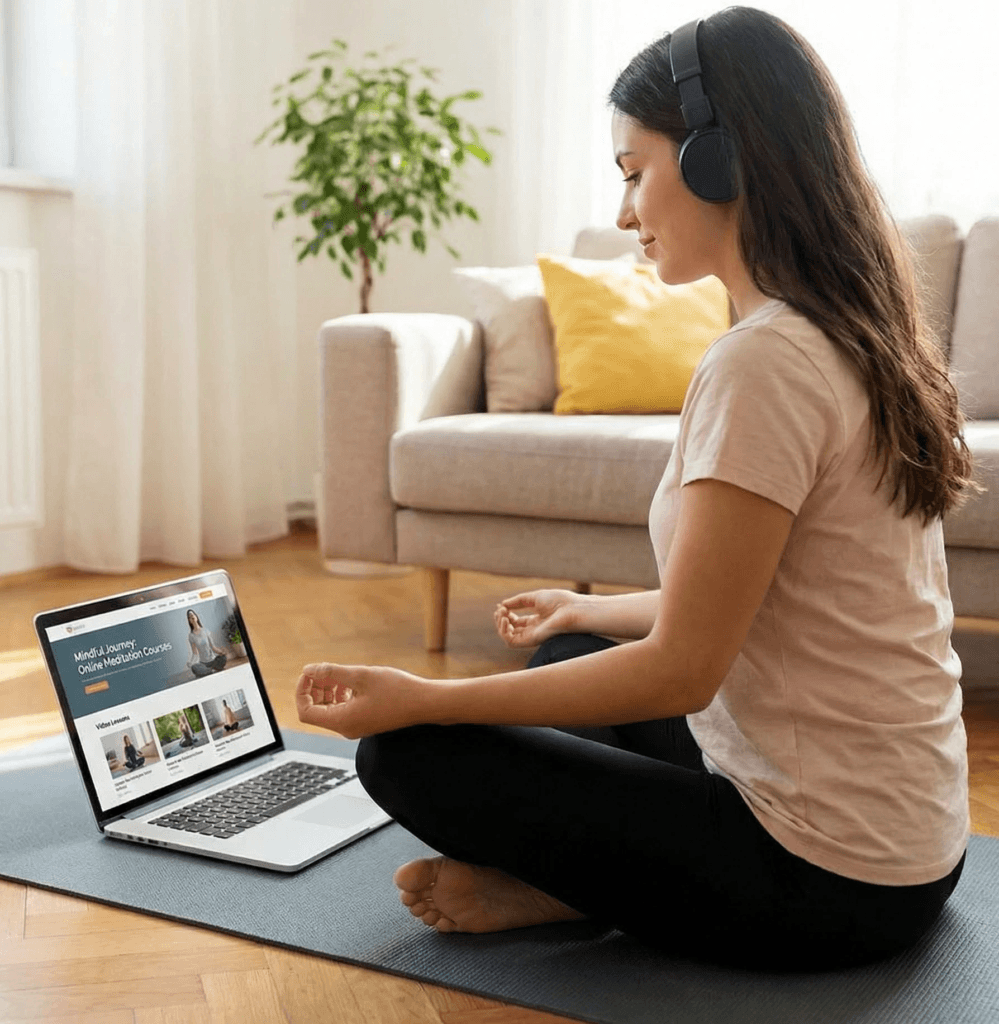
Meditation gives me a way to slow down, clear my mind, and focus on the present. Stress, distractions, and a packed schedule make it tough to feel centered, but online meditation courses helped me build a consistent practice that actually fits my real life.
If you’ve ever felt anxious, struggled to quiet your thoughts, or wanted to add more calm to your day, exploring meditation through online courses can make a difference. Finding the right course means you can learn at your pace, from wherever you’re most comfortable. Meditation can offer a sense of peace even during hectic days, giving you a chance to refocus and recharge when you need it most.
I researched some online courses for meditation. I’ve tried multiple programs and done the research so that you can make a choice based on what fits your style, schedule, and goals. Whether you’re looking for short guided meditations, in-depth lessons on mindfulness, or simple tools to lower stress, there’s now a wealth of programs designed for all your needs.
1. Mindfulness-Based Stress Reduction (MBSR) Online by Sounds True
MBSR is one of the most trusted meditation programs out there. Developed at the University of Massachusetts Medical School, its benefits are backed by decades of research. The online version offered by Sounds True follows the classic eight-week structure. I like how this course combines guided meditations, weekly video lessons, and interactive logs for tracking progress.
What I Learned from MBSR:
- Combine mindful awareness with ordinary activities, like walking and eating.
- Practical tools for managing daily stress and anxiety.
- A strong foundation in meditation basics, body scans, and mindful movement.
This course works well for beginners and those returning to meditation. You can learn at your pace, and there’s support from certified instructors through online forums. The program’s systematic approach makes it easy to build a habit, and each week gently adds new skills without feeling overwhelming. If you prefer learning gradually with lots of structure, MBSR is a solid pick.
2. Headspace: The Meditation App Course Library
Headspace is popular for a reason. Their courses are easy to access through the app or website, and each meditation builds on the last, so I never felt lost. The basics course is the perfect introduction. After that, you can move into specialized topics like sleep, anxiety, and focus.
Why I Recommend Headspace:
- Courses last between 10 and 30 days, keeping things fresh.
- The animations and guided audio are friendly and clear.
- There’s a track for every mood, from quick stress relief to longer mindful walks.
I can start with a three-minute meditation session or set aside more time if I want a deeper session. Headspace also tracks my progress, so it’s easy to see how far I’ve come. The app’s reminders and gentle prompts really help me keep up a daily habit, which is perfect when life gets busy. I also appreciate the themed packs for different life moments, like dealing with stress at work or winding down before sleep.
3. Mindful Meditation with Tara Brach and Jack Kornfield (Insight Timer)
If you prefer learning directly from respected teachers, this Insight Timer course led by Tara Brach and Jack Kornfield is a great choice. Both teachers have decades of experience, and they share real-life examples, stories, and practical meditations in a way that feels down-to-earth.
What’s Included in Insight Timer’s Mindful Meditation:
- Daily guided meditations and talks covering self-compassion, healing, and presence.
- Audio that’s easy to follow and downloadable for offline listening.
- Active online community for sharing reflections and questions.
This course feels personal. Both instructors keep things simple and practical, so I never feel overwhelmed. If you’re interested, you can check out other meditation communities on Insight Timer Courses as well. What’s nice about this course is how approachable the lessons are, bringing warmth and wisdom together in a way that feels like a conversation. For anyone who enjoys gentle guidance with flexibility, this is an excellent option for you.
4. The Science of Well-Being: Guided Meditation by Yale (Coursera)
The Science of Well-Being isn’t only about meditation, but it’s one of the most useful courses for building healthy mental habits. Taught by Professor Laurie Santos at Yale, this Coursera class blends psychology, self-reflection, and practical meditation practices.
What Makes This Course Helpful:
- Weekly video lessons and guided activities to build mindfulness habits.
- Meditation is taught as part of a bigger plan for improving happiness and resilience.
- Quizzes, peer discussions, and optional assignments help ideas stick.
I found the combination of research-backed content and easy-to-follow meditations a solid fit if you want to understand why certain practices work. You can enroll for free and learn more about Yale’s course on Coursera. The class brings science and real-life tools together, making it motivating as you see small wins translate to improved well-being.
5. 10% Happier: Meditation for Fidgety Skeptics
10% Happier grew out of a bestselling book by Dan Harris, and the online courses reflect his straightforward, no-nonsense approach. This is where I turn if I’m feeling impatient or restless—and need meditation to be practical, not mystical.
Why I Find This Course Useful:
- Short, focused meditation videos, some just one minute long.
- Interviews and lessons from relatable meditation teachers.
- Quizzes and journal prompts to keep me interested and honest about my progress.
There’s no pressure to believe in anything. The objective here is simply to notice, breathe, and feel a little calmer. Check it out at the official 10% Happier Meditation. If you want meditation advice without the extra information, this course delivers straightforward tips you can use right away.
Tips for Picking the Best Online Meditation Course
I learned through experience that not every meditation course feels right from the start. Here are some things to look for when choosing your own:
- Choose a format that matches your learning style. Video, audio, live classes, or app-based lessons all work differently for each person.
- Pick a length and time commitment that fits your routine. It’s much easier to stick to a 10-minute daily course than a 60-minute intensive program if you’re busy.
- Look for support. Some courses offer live Q&A, email support, or communities for encouragement and sharing.
- Read reviews from real users, and try free trials whenever possible. This reduces the chance of wasting money or time on something that doesn’t suit you.
I’ve found that meditation practice is personal. The best way to see real change is to try different styles until you find one that helps you feel calm, aware, and focused. It’s also helpful to keep your notes or journal, tracking what works and where you might need to tweak your approach.
What I Noticed After Completing the Online Meditation Courses
I didn’t turn into a totally relaxed person overnight. But even after just a week or two of short daily meditations, I started noticing changes. My sleep improved, my stress was lower, and I felt better equipped to handle tough days. The more I practiced, the easier it became to pause and breathe before reacting when things got stressful.
Online meditation courses made it possible for me to build new habits in small steps. With options for beginners and deeper programs when I wanted more, I could keep growing at my pace. In fact, sticking with even short daily practices added up to more patience and clearer thinking by the end of a month.
If you’re ready to try meditation for stress, sleep, or just a little more mental peace, any one of these courses can help you get started. My advice is to take it one session at a time and celebrate small wins along the way. Over time, you may find those moments of quiet add up and help you bring more balance to every area of your life.