

Near-death experiences (NDEs) have fascinated people for generations, blending elements of science, spirituality, and human curiosity. These are moments when someone comes close to dying; sometimes during a medical emergency like cardiac arrest or a severe accident, and later returns to share vivid and often transformative stories. Some say they saw bright lights, felt intense peace, or even encountered loved ones, while others had experiences that left them with more questions than answers. There’s no single story that sums up what an NDE is, but checking out personal accounts and looking at what researchers have stumbled upon can help make sense of this mysterious topic.
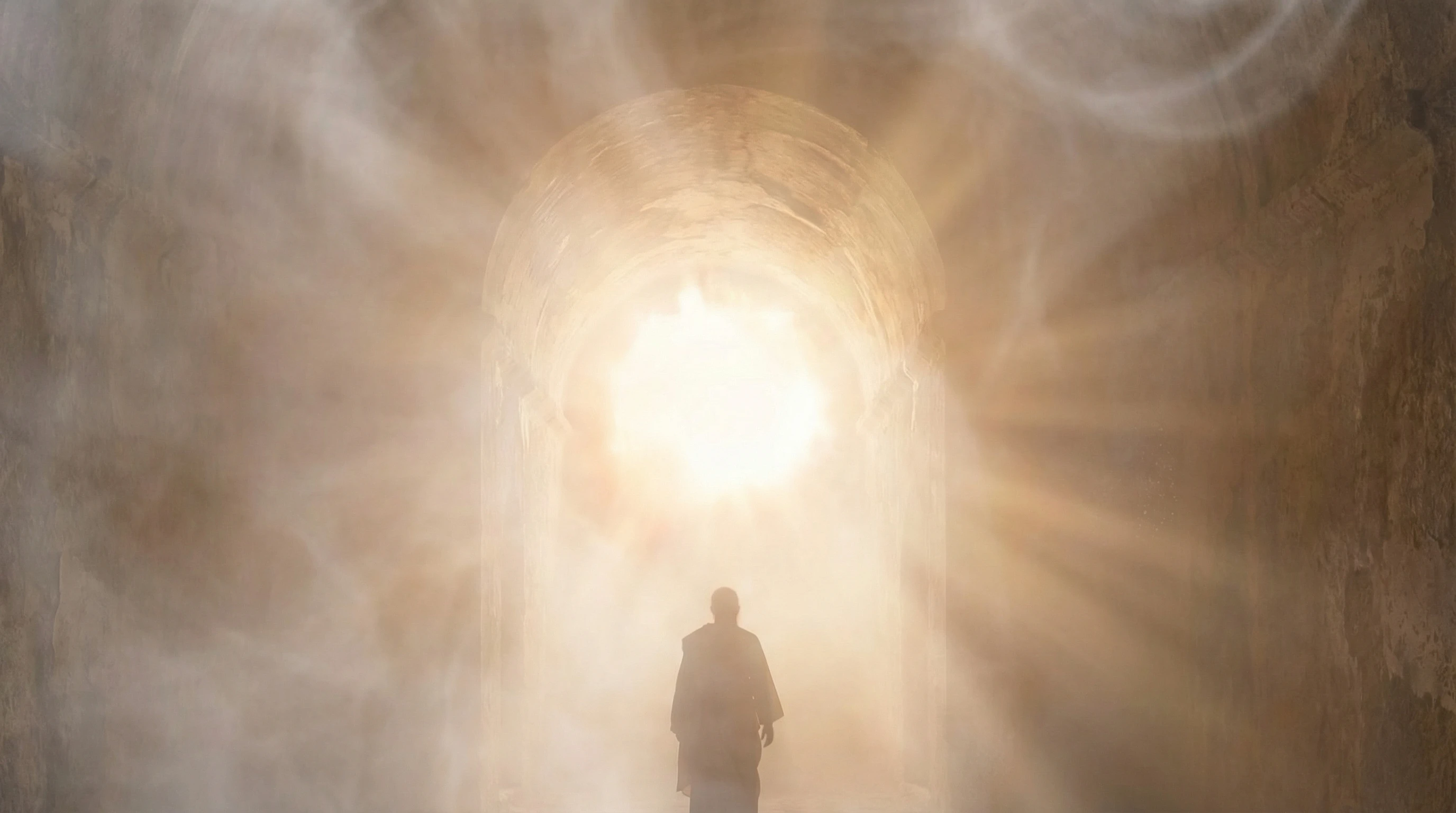
Understanding Near Death Experiences
NDEs are usually described as powerful psychological events that happen when someone is close to dying or in a state where their life is in danger. You’ll hear about people “leaving their body,” seeing tunnels, meeting spiritual beings, or experiencing a rush of memories or a review from their lives. These events are reported by folks from all backgrounds, regardless of age, faith, or culture.
Researchers say about 10-20% of people who survive cardiac arrest report some kind of NDE. While no two stories are exactly the same, certain features seem to show up a lot. Some people describe floating above their bodies, watching hospital staff work hard to revive them, or hearing voices of loved ones. Others feel overwhelming peace or see vivid landscapes. Scientists and doctors have taken serious interest in NDEs to figure out if they’re just the result of a brain in crisis or something more.
The history of NDE accounts goes way back. Ancient texts from Greece to Egypt include stories of journeys to the afterlife or returning from the brink of death. Modern interest shot up after the release of Raymond Moody’s 1975 book, “Life After Life,” which collected personal stories and set the standard for much of the research that would follow. Since then, researchers such as Dr. Sam Parnia and Dr. Bruce Greyson have collected thousands of narratives in an effort to understand what really goes on during these experiences.
Recent years have seen new technological advances in resuscitation medicine and neuroscience, which have opened up fresh ways to study consciousness and memory around near-death states. Using medical imaging and interviews, doctors have started to gather more data about what happens in the mind during these intense moments. For example, studies sometimes link NDEs with particular brain waves or neurotransmitter reactions. This blend of modern technology and ancient storytelling makes NDEs a special field of study, crossing boundaries between medicine, spirituality, and philosophy.
Common Elements of Near Death Experiences
Most NDEs include a handful of elements that show up across cultures and belief systems. I’ve noticed a few themes that pop up repeatedly in stories people have shared with me and in published cases:
- Out of Body Experience (OBE): Many people say they sense leaving their physical body, sometimes describing the scene around them in surprisingly accurate detail.
- Sensations of Peace: A strong feeling of calm, love, or euphoria is one of the most common features, even when the person was in a frightening situation before.
- Seeing Light or Tunnels: Lots of folks talk about moving through a tunnel toward a bright, welcoming light.
- Encountering Others: Some people meet deceased relatives, spiritual figures, or “beings of light.” These meetings feel real and meaningful, even to skeptics.
- Life Review: A flash of life memories or feeling as if one’s whole life is being replayed comes up in some stories.
These familiar elements are so widely reported that researchers use them to measure and study NDEs. The Greyson Scale is one well-known tool that helps standardize how these traits are recognized in research. More about the Greyson Scale can be found at NIH NDE Research.
Personal Stories: Firsthand Accounts of NDEs
There’s something powerful about reading or hearing a firsthand account of an NDE. I’ve been moved by so many personal stories on YouTube, and quite a few stand out in my memory for their detail and honesty. You will find many NDE cases and stories similar to the stories below by Google search or YouTube.
Take, for example, the story of a woman who was in a car accident and declared clinically dead for several minutes. She remembers floating above her body, seeing rescue workers struggle to save her, and feeling an overwhelming love and peace. When she woke up, she described details of the scene that nobody thought she could have known.
Another memorable story comes from a man who survived a heart attack. He described traveling through a dark tunnel toward a bright light, meeting his long-lost father, and being told it wasn’t his time yet. He said the experience completely changed his outlook on life, making him less afraid of death and more patient with others.
There are also cases where people have unsettling or even frightening NDEs. Not everyone has a peaceful adventure; some talk about experiences of confusion or distress. These aren’t as widely discussed, but they’re just as important for understanding the full picture of NDEs.
Many firsthand accounts like these are collected at places like the Near-Death Experience Research Foundation (NDERF), which gathers public stories and creates a sense of community for those who’ve been through it.
How Science Explains Near Death Experiences
The science behind NDEs is still up for discussion, and there are plenty of theories on the table. Some doctors say it’s all about how the brain reacts under stress, lack of oxygen, or the effects of anesthesia. Others point out that there are too many precise details and shared experiences to call it just brain chemistry.
One idea is that as the brain shuts down, chemical and electrical activity create vivid dreams and sensations. The feeling of floating could come from a disconnect between vision and body signals, called dissociation. Bright lights or vivid imagery might be the result of neural activity in the visual cortex. Studies show that people can sometimes accurately describe what happened around them while they were unconscious, although skeptics say these details could have been picked up while regaining consciousness.
Researchers have also checked out whether cultural background or personal beliefs influence the type of NDE people have. It seems that, while some details match what someone might expect (like seeing religious figures from their own tradition), most people—religious or not—report similar patterns.
Science hasn’t settled the debate yet, though researchers keep looking for new explanations. For deeper reading on scientific research, Scientific American has a good roundup of current theories and ongoing studies. Ongoing advances in neuroscience and brain imaging may shed more light on the topic in the future, offering clues about consciousness and what we experience at the edge of life.
Things to Know Before Drawing Conclusions
Jumping to conclusions about NDEs is tempting, but there’s a lot to consider. Here’s what I keep in mind when weighing the stories and science:
- Personal Beliefs: What someone believes before their experience can shape how they interpret the details afterward.
- Medical Explanations: There are known ways the brain and body respond to stress and trauma, but not every case fits the same pattern.
- Accuracy of Memories: Traumatic events can blur or shape memories, making it tough to sort out what happened during an NDE.
- Cultural Factors: People from different backgrounds describe similar core elements, but personal and cultural details pop up in their retellings.
The Importance of Open-mindedness
I’ve found that being both curious and skeptical helps. Some folks take every NDE at face value, while others try to explain it all away. Staying curious and willing to listen can help you pick up on things you might otherwise miss. This approach helps respect the experience, regardless of your own beliefs.
What Near Death Experiences Mean for People
For lots of people, having an NDE is life-changing. Many say it helped them lose their fear of dying or pushed them to live more fully. Some become more spiritual, but others just appreciate everyday life more. Relationships sometimes improve, and priorities may switch up; material things matter less, while kindness, patience, and love take the front seat. For a few, though, it can be really challenging, especially if the experience brings up confusion or trauma. Support groups and counselors can be really helpful for those still processing what happened.
- Life Priorities: After an NDE, many focus more on family, community, or helping others.
- Spiritual Exploration: Some go on deeper spiritual adventures, exploring faiths or practices they hadn’t before.
- Dealing with Fear: The fear of death or anxiety about illness may decrease or dissappear, making daily problems feel more manageable.
Even health care professionals have started to pay closer attention to NDEs, offering space for patients to share their stories without judgment. This support can be vital for people adjusting to major shifts in their outlook on life. Sometimes, an NDE can even influence a person’s career, leading them to become counselors, spiritual leaders, or advocates for patient care. The ripple effect of just one experience can last a lifetime and inspire others to think on the mysteries of existence.
Frequently Asked Questions
Here are a few questions people are always curious about when NDEs come up:
Can everyone have a near death experience?
Not everyone who comes close to death reports an NDE. Researchers say it’s a mix of biology, circumstances, and maybe even chance.
Are NDEs proof of an afterlife?
The short answer is nobody knows for sure. Some see their experiences as proof, while others look for medical explanations. Science hasn’t settled it, but the stories definitely encourage big questions.
Are these experiences always peaceful?
Most NDEs are described as peaceful, but some people go through confusion, fear, or distress. Both types offer insight into what happens at the edge of life and death.
Final Thoughts
Near-death experiences hold a unique place at the intersection of science, faith, and human experience. Whether they’re brain chemistry, glimpses of another reality, or something entirely different, NDEs deserve respectful curiosity. Hearing personal stories, reading research, and keeping an open mind can help make sense of something truly mysterious. If you’re interested in even more firsthand accounts and research, organizations like the International Association for Near-Death Studies (IANDS) are worth checking out.
No matter where you land on the topic, the stories behind NDEs remind me how much we all share in facing the unknown and wanting to understand what might wait for us beyond. Even without all the answers, the wide range of experiences and viewpoints makes this a subject that keeps drawing in thinkers, seekers, and anyone curious about what it means to be alive.