
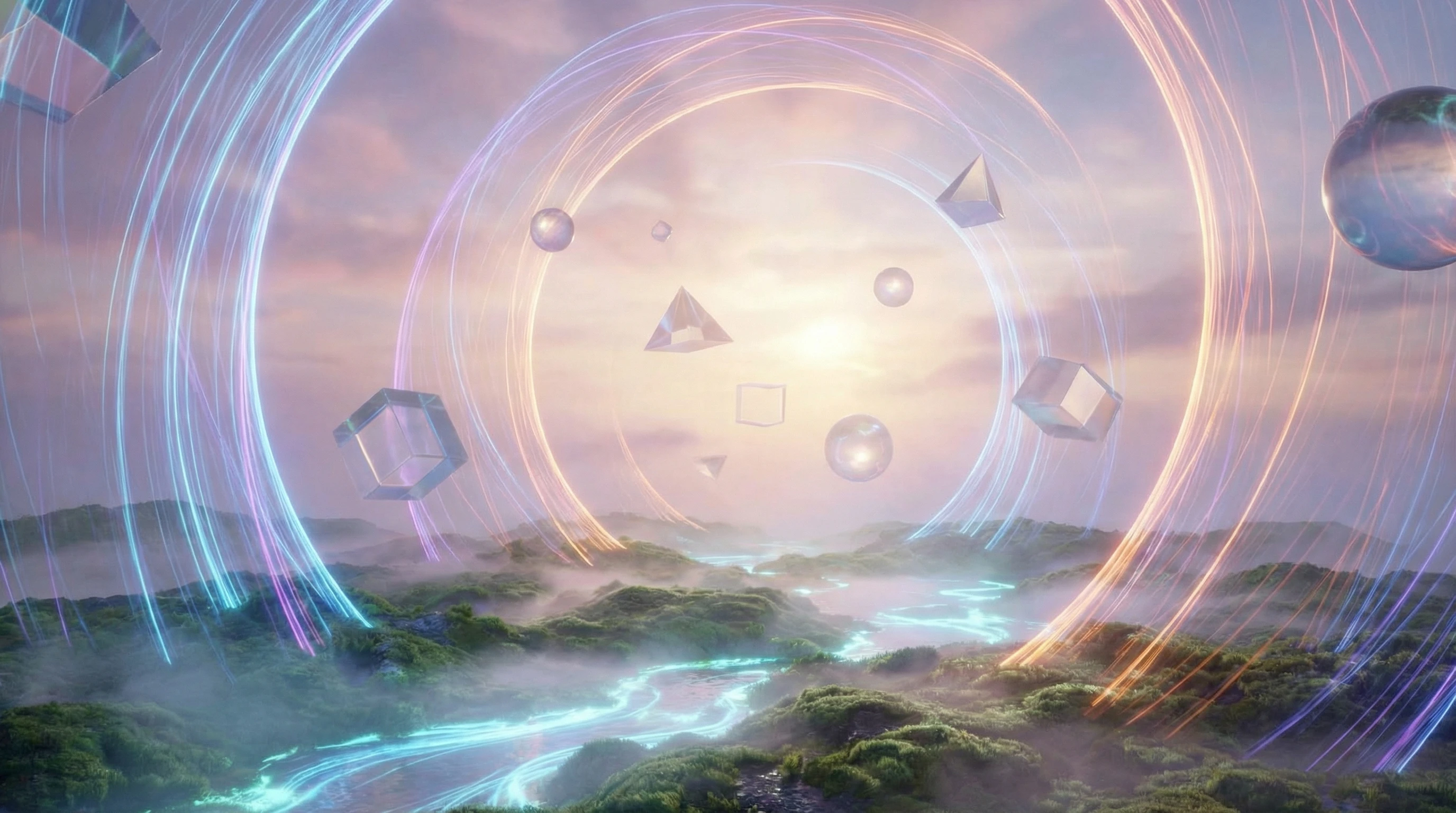
Stories about near-death experiences (NDEs) have been around forever. I’m talking about the classic tales: bright lights, tunnels, peaceful feelings, maybe even meeting loved ones or seeing a life review. It’s easy to see why these stories spark serious interest, curiosity, and sometimes heated debate. Whether you’re reading popular books or checking out scientific studies, you’ll find everything from accounts treated as proof of an afterlife to hard-nosed scientific explanations. There’s a lot of confusion out there, so I decided to break down some of the most common myths and share what current research actually shows.
Here’s a straightforward look at what NDEs are (and what they aren’t), how people experience them, what science has to say, and why it all matters.
What Are Near-Death Experiences?
Basic Definition
A near-death experience is basically any experience people report when they were close to dying or believed they were. These can happen during cardiac arrest, near drownings, severe trauma, or sometimes during intense emotional distress. The most popular features of near death are feelings of peace, seeing a light, moving through a tunnel, floating outside the body, or encounters with otherworldly beings. These pop up repeatedly for lots of people across different cultures and backgrounds.
Who Reports NDEs?
- People who’ve survived cardiac arrest or trauma
- Folks who’ve been in accidents or surgeries where they were close to death
- Individuals who experienced intense psychological fear or trauma
NDEs aren’t tied to a specific religion, age group, or medical history. They can happen to pretty much anyone when certain conditions are met. It doesn’t matter if someone is a child, a skeptic, or deeply spiritual—cases cover nearly every demographic. This broad reach is one reason why NDEs grab people’s attention around the world.
Common Elements of an NDE
- Out-of-body experiences (feeling detached from the physical body)
- Sensations of moving through a tunnel
- Encountering bright, often gentle light
- Feeling peace or euphoria
- Life review is like watching key moments of your life events flash before your eyes
- Meeting deceased loved ones or unidentified beings
Not every NDE has all these features. The mix can be pretty different from one person to the next. Some might report only one vivid detail, while others remember an entire series of sensations.
Top Myths About Near-Death Experiences
The following are some common myths about NDE:
- NDEs only happen to religious people: Actually, people from all sorts of backgrounds report NDEs. Studies show that believers, nonbelievers, and people from totally different faiths have shared similar descriptions.
- Every detail is the same for everyone: While some themes pop up a lot (like distant bright lights or the feeling of peacefulness), the experiences can be wildly different and personal. Culture, expectations, and prior beliefs seem to shape what people see and feel.
- NDEs mean you actually died and came back: Medical definitions of death are strict. NDEs usually happen during times when brain function is suppressed, not totally gone. In most cases, the body was still alive, just under extreme stress.
- People are just hallucinating from medication: Some folks had NDEs when they weren’t on any drugs, and some medications seem to reduce the likelihood of these experiences instead of causing them.
- Science can’t explain any part of NDEs: There are working theories about how NDEs happen, and researchers are actively studying them. Not every question is answered, but it’s definitely not a total mystery.
What Science Says About NDEs
Popular Explanations From Science About Near Death and the Brain:
- Brain changes under stress: When the brain is starved for oxygen (like during cardiac arrest), it can create unusual perceptions and awareness. This helps explain the vividness and consistency of some aspects, like lights and tunnels.
- Psychological responses: Extreme stress and fear might trigger certain defense reactions in the brain. These can include feelings of peace or detachment, almost as if your mind is protecting itself.
- Cultural influence: The specifics of the experience can be influenced by what people knew, believed, or expected before the event. For instance, someone raised hearing about tunnels of light might be more apt to see one when near death.
Are NDEs Proof of an Afterlife?
That question comes up a lot, but science can’t really offer a definitive answer here. Some use NDEs to back up the idea of an afterlife, but researchers argue that the brain can create some pretty wild experiences without outside input. Most scientists agree that just because something feels real or meaningful doesn’t automatically mean it’s evidence of another world.
For a deep look, check out sources like the Scientific American article on NDEs and the brain. These resources highlight the latest findings and ongoing questions surrounding NDEs.
Comparing Popular Myths and Real Experiences
- Out-of-body sensations
People often say they saw themselves from above, but medical studies suggest this can happen when the brain’s temporal parietal junction is disrupted. This area helps you figure out where you are in space, and when it glitches, strange sensations can follow. - Seeing a tunnel with a light
This is common and can be caused by certain types of brain activity as consciousness fades in and out. Studies of oxygen deprivation show the tunnel effect and light often come up as visual cortex activity changes with lack of oxygen. - Loved ones and spirit encounters
Some believe these are real visits, but psychologists say familiar faces might pop up because the brain is searching for comfort or trying to make sense of confusion. Cultural stories or personal desires often shape these parts of the experience. - Feelings of peace and euphoria
Floods of natural chemicals (like endorphins) during severe trauma can create intense comfort, even in scary situations. That warm, safe feeling serves a purpose: helping you cope under overwhelming stress.
Why People Care, And What To Keep In Mind
NDE stories are powerful. They offer hope, comfort, or even motivation for big life changes. For people with no previous spiritual beliefs, the experience can shake things up and lead to a new outlook. On the flip side, these stories can sometimes cause confusion or anxiety, especially if beliefs and experiences don’t match up.
When sorting through information about NDEs, I’ve found that a balanced approach helps most. Some accounts are deeply personal and meaningful, so scoffing doesn’t help. On the other hand, science gives handy tools for understanding what’s happening in the mind and body under stress. It’s worth keeping both perspectives in mind when thinking about NDEs, especially since more research and personal stories are shared every year.
Key Takeaways on NDEs, Myths, and Reality
- NDEs are real experiences with common themes, but not all the myths hold up.
- People from many backgrounds can have NDEs, not just those with certain beliefs or spiritual outlooks.
- Science and personal meaning often overlap, but neither tells the whole story alone.
- Current research points to brain and psychological factors, but questions about the afterlife and consciousness remain open for debate.
NDEs will likely always be part of the conversation about life, death, and what might come next. Staying curious, respectful, and open-minded seems like the best way to go. No matter where you land on the explanation, these experiences continue to shape the way we think about what it means to be alive.