

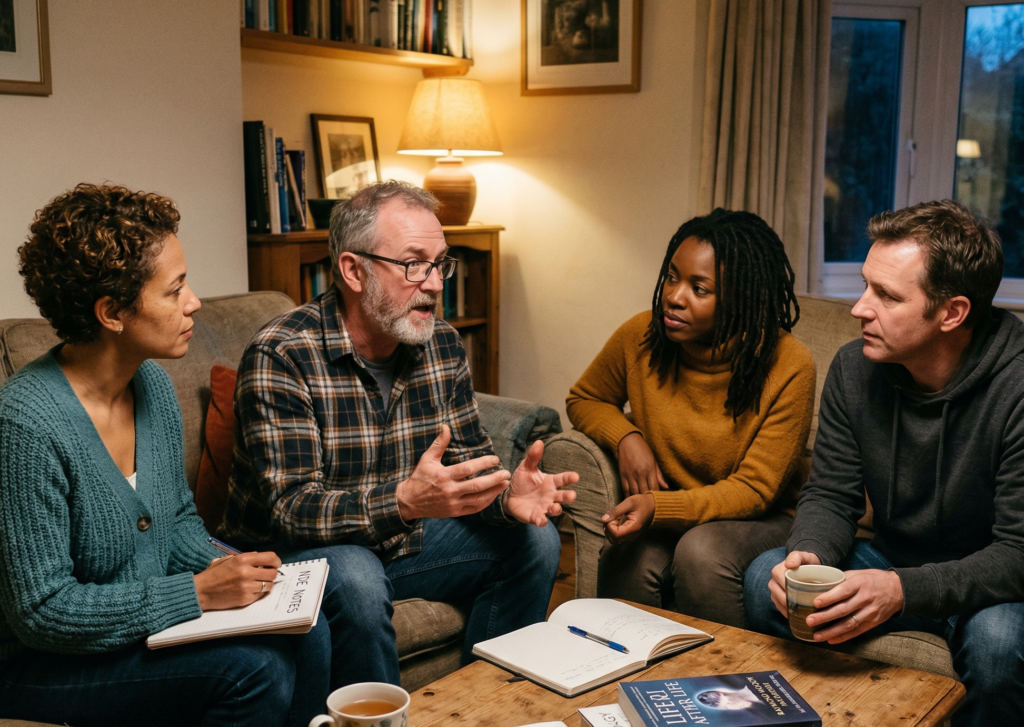
Hearing a real near-death experience (NDE) story can leave a lasting impression. It’s the kind of story that makes you stop and think. At the same time, sharing one isn’t always easy. Some people are open and curious, while others may feel unsure or even uncomfortable. Over time, I’ve found a few simple ways to share these stories that feel natural and lead to meaningful conversations.
If you’ve had an NDE—or know someone who has—you might wonder how to talk about it without things getting awkward. The good news is, you don’t have to overthink it. With the right approach, you can share your story in a way that feels honest and respectful. This guide walks you through a few practical steps to help you do just that.
No matter your reason—whether it’s to comfort someone, start a deeper conversation, or simply speak your truth—these stories have a way of opening minds. Here are the steps that tend to work below:
Be Clear on Why You Want to Share
Start by asking yourself why you want to tell your story. Knowing your reason makes everything else easier. Maybe you want to help someone feel less alone. Maybe you’re trying to process your own experience. Or maybe you just feel ready to talk about it.
Take a moment to think it through. Are you looking for support, feedback, or just someone to listen? Do you want to inform, comfort, or spark curiosity? And who are you talking to—how might they react?
Having a clear purpose helps you stay focused. It also makes it easier to decide how much detail to include and how to present your story.
Choose the Right Moment and Setting
Timing matters more than people realize. Where and when you share your story can shape how it’s received. A quiet, comfortable setting usually works best, especially for something personal like this.
One-on-one conversations often feel more relaxed and open. Support groups such as Grief and Loss Support Groups or Near-Death Experience (NDE) support groups can also be a good space, especially when people are already open to discussing deeper topics. And sometimes, the best moment is when someone asks you directly.
Pay attention to the mood. If it doesn’t feel right, it’s okay to wait.
Tell the Story in Honest and Simple Terms
When you share your story, keep it real. Speak from your own experience without trying to explain everything or make it fit a certain meaning. You don’t need to have all the answers.
Using simple “I” statements can help keep things clear. For example, you might describe what you saw or how you felt without adding extra interpretation. Avoid presenting your experience as proof of something bigger. People connect more when they feel you’re sharing, not persuading.
If you’re telling someone else’s story, make sure you have their permission and leave out identifying details. And don’t shy away from your emotions—whether it’s peace, confusion, fear, or awe. That honesty makes your story more relatable.
Be Open to Questions and Skepticism
People will react in different ways. Some will be fascinated. Others may ask tough questions or express doubt. That’s normal.
The key is to be calm and open. Listen to what people say without getting defensive. Answer what you can, and if you don’t know something, just say so.
If someone is skeptical, acknowledge it without taking it personally. You might say, “I understand it sounds unusual—it’s just what I experienced.” That kind of response keeps the conversation respectful and grounded.
You’re not trying to convince anyone. You’re simply sharing.
Focus on Connection, Not Agreement
At its core, sharing an NDE story is about connection. It’s not about proving a point. When you focus on shared feelings—like hope, curiosity, or wonder—people are more likely to engage.
Invite others to share their thoughts or experiences, even if they’re different from yours. Ask simple, open questions and look for common ground. Even when people don’t agree, they can still connect on a human level.
Leaving space for different perspectives keeps the conversation open and respectful.
Be Mindful of Others’ Emotions
Some parts of an NDE story can be intense, especially if they involve trauma or loss. It’s important to be aware of how your story might affect others.
If you’re sharing something heavy, give people a heads-up. Watch how they respond, and be ready to pause if someone seems uncomfortable. Let them know it’s okay to step away or change the subject.
Creating that sense of emotional safety helps people feel respected and more willing to engage.
Common Questions People Ask
What if people don’t believe me?
That happens sometimes. Focus on telling your truth without needing everyone to agree. People see things through their own experiences, and that’s okay.
How do I handle criticism or tough questions?
Stay calm and keep your perspective grounded. You can acknowledge their doubts without changing your story. A simple response goes a long way.
Is it okay to share anonymously?
Yes, especially if you’re concerned about privacy or judgment. Many online communities like Reddit make it easy to share your experience without revealing your identity.
My Final Thoughts
Sharing a near-death experience can be powerful—for you and for the people listening. When you approach it with honesty and awareness, it creates space for real conversation and understanding.
If you’re thinking about sharing your story, keep it simple. Know why you’re sharing, choose a setting that feels right, and speak from your experience. Let the conversation unfold naturally.
Have you ever shared an NDE story or heard one that stayed with you? Please feel free to share your experiences in the comments below. These are the kinds of conversations that can shift perspectives and bring people a little closer to understanding life’s bigger questions.