

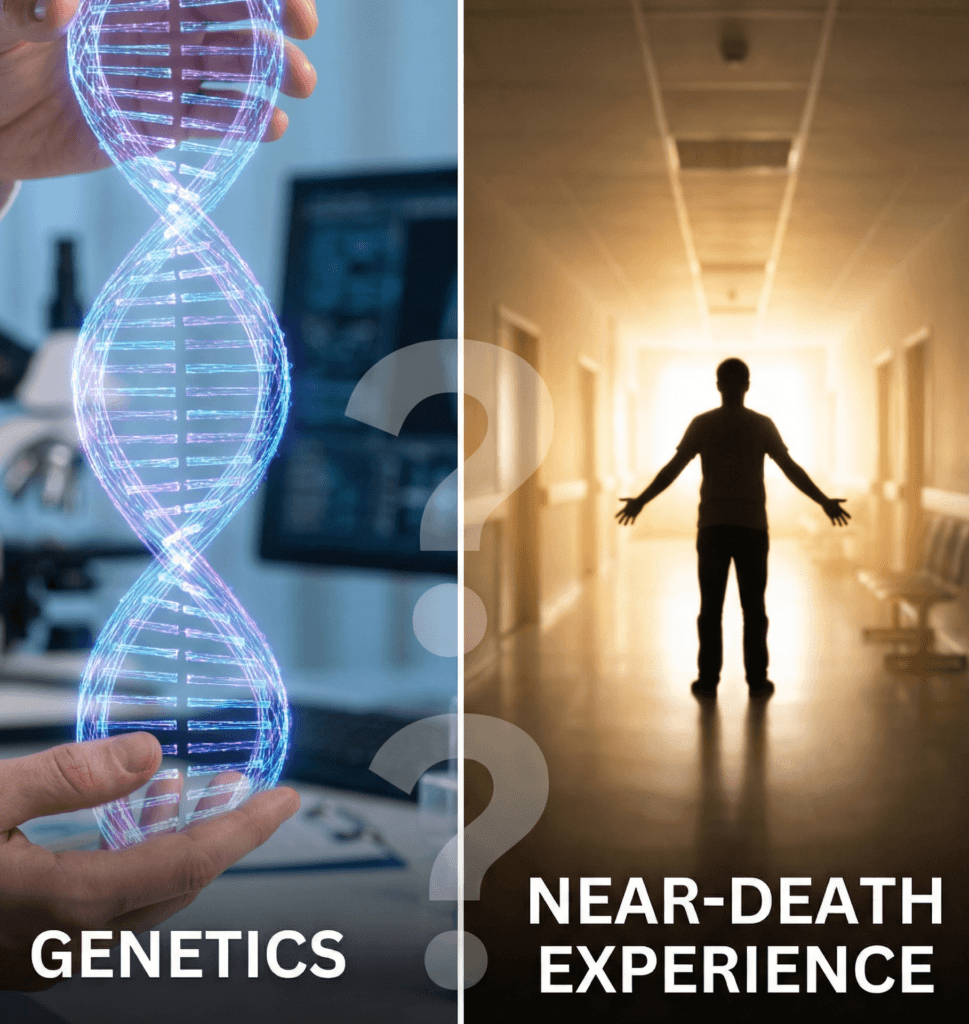
Near-death experiences (NDEs) are some of the most fascinating and hotly debated events reported by people after close brushes with death. These experiences often include feelings of peace, detachment from the body, moving through a tunnel, or seeing bright lights. While spiritual and psychological explanations are common, recent research is also digging into something you might not have expected: the role of genetics. In this article, I’ll walk you through what’s known about genetic factors in near-death experiences, why some people might be more likely to have them, and what science has to say so far.
What Are NDEs?
NDEs refer to a range of perceptions and sensations reported by people who have come very close to dying or who’ve been in a situation where death seemed imminent. Some recall meeting loved ones who have passed, floating above their body, or having their “life flash before their eyes.” Others mention a sense of timelessness, overwhelming calm, or even out-of-body travel.
Most NDE stories share a handful of features, whether the cause is a heart attack, accident, or a medical procedure gone wrong. Researchers usually look for recurring elements, which include:
- Feeling separated from the physical body: like being a witness to your own hospital scene.
- Moving through darkness or a tunnel: A passageway toward bright light or a new reality.
- Intense emotions: Mainly positive, such as love, acceptance, or serenity.
- Encounters: Sometimes with unknown figures, deceased relatives, or spiritual beings.
NDEs are not tied to one culture or religion, and they’ve been reported all over the world, across individuals from various backgrounds. This global spread gets scientists thinking: if these experiences are so universal, what role could biology, and maybe even genetics, play?
Why Look at Genetics in Near-Death Experiences?
When people first began studying NDEs, most theories focused heavily on psychology or spirituality. But not everyone facing a life-threatening crisis or losing consciousness reports an NDE, which puzzles researchers. If outside triggers like trauma or brain changes are the only cause, why doesn’t everyone have one?
Here’s where genetics comes in. It might be that some people are more likely to have NDEs because of how their brains respond to stress, process chemicals, or recover from trauma. Checking out genes gives scientists fresh clues for understanding the “why me?” part of the puzzle.
Scientific Studies Exploring Genetic Links
A few key studies have tried to find out if NDEs have a hereditary component. The answers so far aren’t conclusive, but certain patterns have emerged that are worth paying attention to.
- Family Patterns: Early case studies noticed NDEs showing up in families, with parents, siblings, or children all reporting similar experiences. Genetics could play a minor role, or this could reflect families just sharing stories and ideas across generations.
- Brain Chemistry Genes: Other studies have focused on genes involved in brain chemicals like serotonin, dopamine, and glutamate. These chemicals help control mood, memory, sensory processing, and spiritual feelings. Differences in genes affecting serotonin, for example, have been linked to different responses to trauma or altered states.
- REM Sleep Intrusion: Some researchers realized that people prone to NDEs often experience REM (rapid eye movement) sleep “bleeding” into their waking life—essentially, dreaming while awake. Genes that control REM sleep cycles are now being studied as well.
One 2019 study pointed out that certain gene variations tied to the serotonin 2A receptor might make people more likely to have NDEs or mystical-type experiences. That same receptor is linked to how the brain reacts to psychedelics, which also sometimes produce sensations similar to NDEs. Although this is not a full answer, it’s a pretty eye-catching direction for future research.
Possible Genetic Factors to Watch
No single “NDE gene” has been found yet, but research is ongoing. Here are a few genetic areas that look promising:
- Serotonin Receptors: Differences in the HTR2A gene, which codes for a serotonin receptor in the brain, could impact perception during intense situations or altered states of consciousness.
- Dopamine Pathways: Dopamine helps regulate attention, emotion, and pleasure. Some think people with certain dopamine-related genes might be more open to vivid, emotional, or “spiritual” experiences during crises.
- Glutamate Receptors: Glutamate is a key brain messenger. How the brain uses glutamate, influenced by genes or other things, might raise the chances of unusual sensory experiences when oxygen or blood flow gets disrupted.
- REM Sleep Genes: Genes that control REM sleep (like PER3 and others connected to sleep disorders) might make some people more likely to have dreamlike visions even while awake or under stress.
Researchers regularly double down on the fact that these genes don’t make NDEs happen on their own. They may only play a minor part, interacting with other factors such as personality, health conditions, upbringing, and cultural background.
Things to Consider When Looking at Genetic Research in NDEs
Genetics is just one factor in the puzzle. Most studies so far are small, so future research needs larger groups and more data. Here are some important things to know if you’re curious about this topic:
- Small Sample Sizes: Much of the research uses interviews or surveys, which makes collecting DNA or large, diverse groups a challenge.
- Complex Experiences: NDEs come in many forms, and it’s tough to pin down a single scientific definition.
- Environment Still Matters: Genetics is not the whole story. Other factors such as culture, medical history, personality, and religion shape how people go through near-death events.
- Ethical Concerns: Researching people after a near-death episode is tricky—especially regarding privacy and consent.
Serotonin and Spiritual Experiences
The serotonin system in the brain is a hot topic for both spirituality and altered states. People who have certain forms of the HTR2A gene sometimes say they are more sensitive to spiritual feelings, whether they’re triggered by meditation, psychedelics, or life-threatening stress. Scientists are quick to point out that genes only set the groundwork—everything from upbringing to life events can flip the “spiritual switch.”
REM Intrusion and Vivid Experiences
REM sleep isn’t just about dreaming at night. Sometimes pieces of the dreaming state sneak into everyday moments—think sleep paralysis or vivid daydreams. In a University of Virginia study, folks who reported these REM “intrusions” were also much more likely to say they’d had NDEs compared to people who didn’t. Genes involved in REM cycles aren’t fully mapped yet, but there’s early evidence of some link.
Can Genetics Really Explain Who Has an NDE?
Right now the answer is only a partial yes. There’s no clear scientific recipe to predict who will or won’t have an NDE. Genes likely help by making some people more open to altered states or intense emotional experiences, but life history, trauma, belief systems, and health matter a great deal, too.
Researchers generally agree that genetics may explain why some individuals are basically “wired” to experience the world differently when faced with intense situations. Genetic differences might influence how the brain and senses react, which chemicals are set loose, and how memories are processed or stored long-term.
Frequently Asked Questions
Is there a single gene responsible for near-death experiences?
Scientists haven’t found a single NDE gene. The evidence points toward several genes that influence brain chemistry and perception, but it’s a complex web involving many different things.
If my family member had an NDE, does that mean I’m more likely to have one?
There are reports of NDEs running in families, but this might come from shared DNA, environment, or the simple act of sharing stories. There’s not enough research yet to say there’s any strong inherited effect.
Can your belief system or culture affect whether you have an NDE?
Absolutely. Culture, religion, and personal beliefs all have a major influence on how someone interprets what happens. While genetics plays a supporting role, environment and mindset are incredibly important.
Wrapping It Up: Genetic Clues and the Mystery of NDEs
Genetic research into NDE is still new, but it’s offering fresh ways of thinking about why some people have these major, life-changing events and others don’t. There’s no simple answer, but realizing that brain chemistry and genes might influence NDEs gives a boost to understanding for this mysterious and deeply personal subject. If you want to check out more, keeping up with the latest research in genetics, neuroscience, and consciousness is definitely worth your time.
Have your own questions or stories? I’d love to hear from you. The more we share, the closer we get to seeing the full story of human experience and the part our genes might play.