

Near-death experiences (NDEs) often grab people’s attention because of the stories of bright lights, overwhelming peace, and feelings of love. But not all near-death experiences fit this uplifting image. Some people report frightening, deeply distressing, or confusing encounters when they come close to death. The idea of “bad” near-death experiences is less commonly talked about, but it’s an important part of the bigger picture.
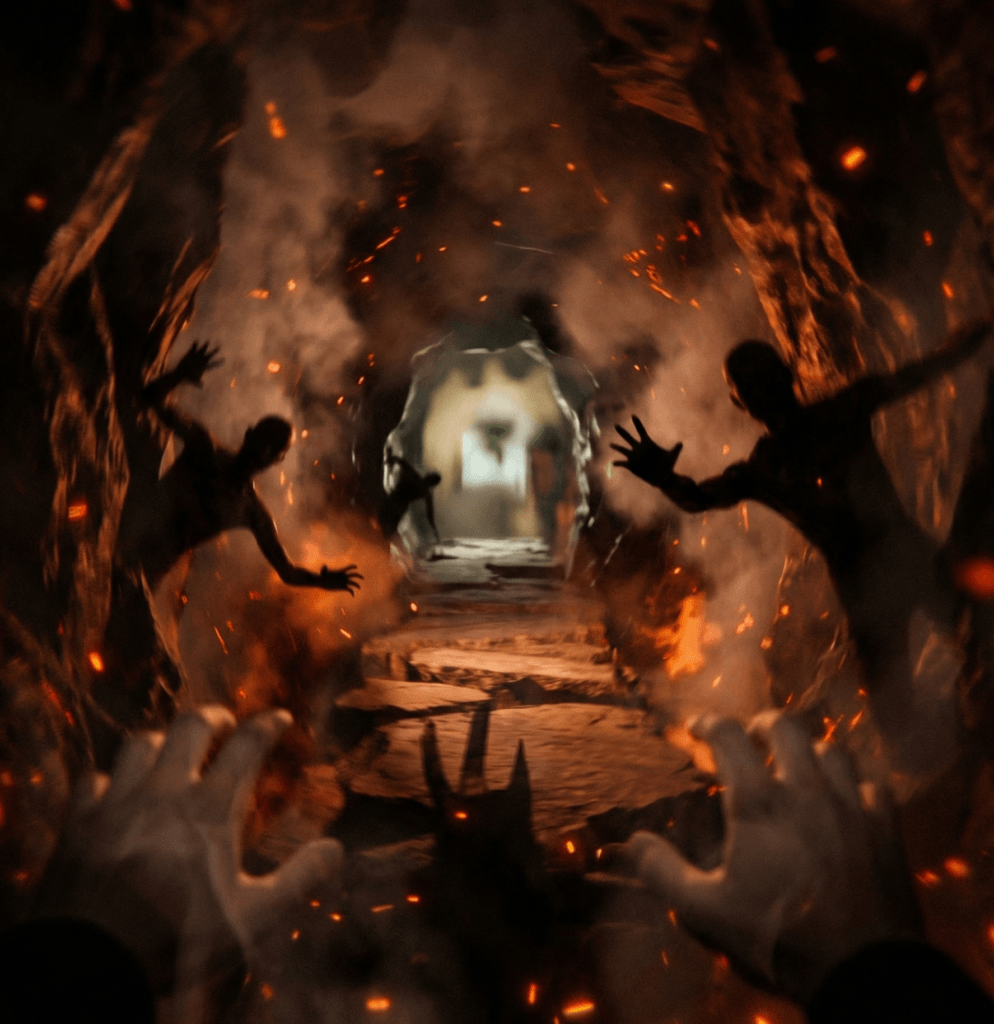
Understanding What Makes a Near-Death Experience “Bad”
Almost everyone has heard stories of people seeing tunnels of light or being greeted by loved ones during an NDE. However, negative or distressing NDEs do happen. People who’ve had these types of experiences might describe terrifying visions, feelings of isolation, confusion, or even a total absence of comfort and peace. Rather than feeling uplifted on their return, they can come back shaken, anxious, or unsure about what happened.
This doesn’t mean their experiences weren’t “real” or powerful. In fact, facing distressing scenes in a near-death state can be deeply impactful, sometimes even harder for people to talk about because they’re afraid of being misunderstood or judged. I’ve noticed that negative NDEs are sometimes overlooked or dismissed in books and popular discussions, but research does document their reality.
How Common Are Distressing Near-Death Experiences?
Reports on the frequency of bad NDEs vary, but they do happen. Most studies and surveys suggest that about 10% to 20% of near-death experience cases are negative, though these numbers may be an underestimate because people hesitate to share unpleasant or scary situations. Well-known researchers like Nancy Evans Bush and Bruce Greyson have described different types of negative NDEs in their work.
Negative NDEs usually fall into a few broad types:
- Fear based NDEs: Overwhelming feelings of panic, terror, or a sense of being lost.
- Void or nothingness: A sensation of floating in a dark, featureless space, sometimes described as a total absence of comfort or identity.
- Distressing imagery: Visions that might include nightmarish, threatening, or confusing scenes, sometimes misinterpreted as “hellish”.
Most mainstream NDE research recognizes that not all people who have these experiences fit the happy or peaceful mold. The variety is bigger than pop culture would suggest. If you’re interested in reading more, the International Association for Near-Death Studies (IANDS) has collected personal accounts and published research on this topic.
What People Report in Unpleasant Near-Death Experiences
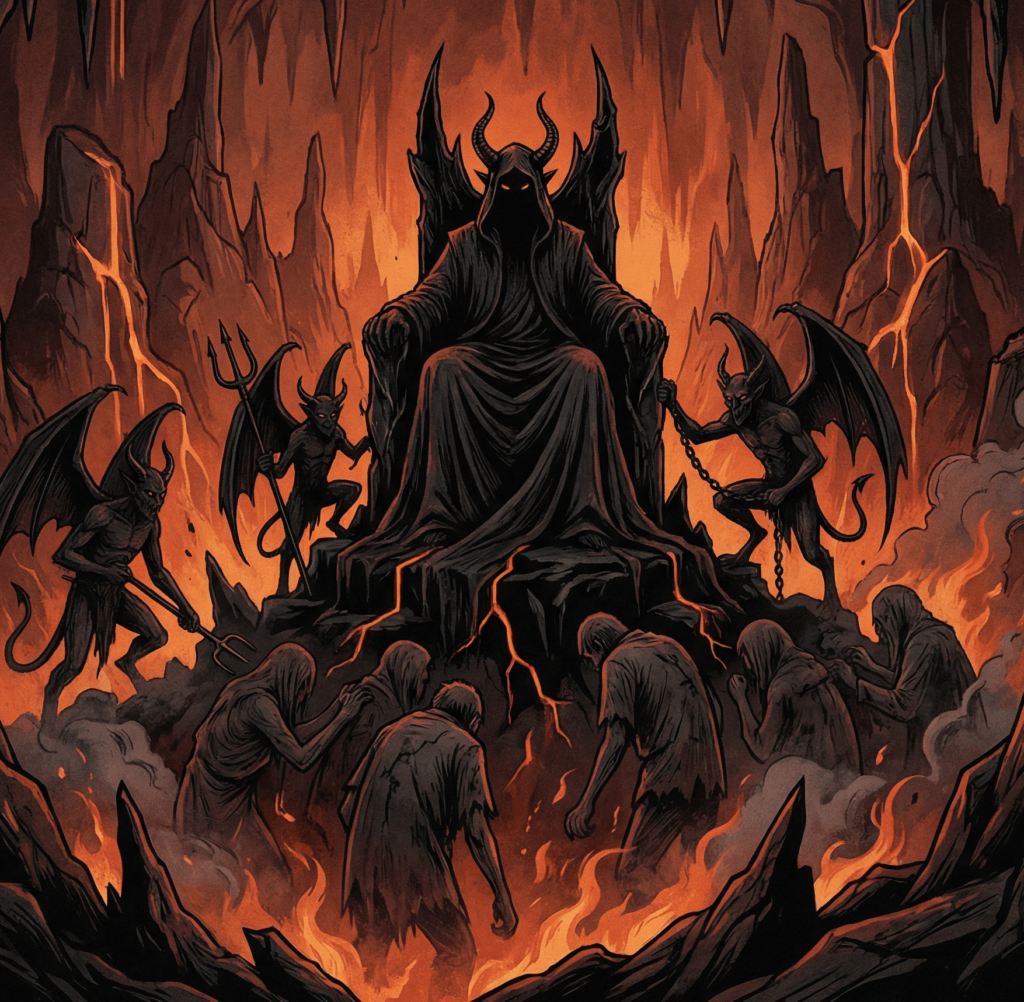
Personal accounts of bad near-death experiences vary a lot. Some people talk about an intense fear of being judged or feeling totally alone. Others might recall being pulled through darkness, chased, or even told frightening messages, some people report feeling the sensation of being pulled down to the lake of fire or hell. You can find some videos on YouTube about good and bad NDE cases. Not everyone experiences scary visuals, sometimes it’s more about the feeling than what is actually seen or heard.
Here are a few themes that pop up in negative NDEs:
- Overwhelming dread or terror, feeling unable to escape
- Isolation, a sense of being completely alone, with no comfort
- Feeling judged or exposed by a powerful, unfamiliar presence
- Chaotic or confusing scenery, like being lost in a storm or in endless emptiness
- Sometimes, encounters with unfamiliar or hostile entities
I’ve found that it helps to keep an open mind about these reports. They’re deeply subjective and shaped by cultural background, expectations, and personal beliefs. If you want to see more examples, psychiatrist Dr. Bruce Greyson’s work lays out a sample of these negative experiences in a clinical context. You can check out a summary of his work at the National Library of Medicine.
Why Do Distressing Near-Death Experiences Happen?
There isn’t a single answer to why some NDEs are negative. Researchers and experiencers have suggested a few possible factors that might play a role:
- Personal beliefs and expectations: Sometimes, what you believe or expect about death and the afterlife can influence your experience. For example, religious or cultural ideas about punishment or hell may shape a difficult NDE.
- Physical or medical causes: Oxygen deprivation, medication reactions, or brain chemistry changes near death can shape the experience, sometimes resulting in confusion or hallucinations.
- Unresolved emotions: Some researchers, like Nancy Evans Bush, suggest these experiences might reflect internal fears or emotional struggles being processed in a crisis moment.
People who have a negative NDE often end up searching for meaning in their experience, sometimes with the help of therapists or support groups. For some, it becomes a turning point, leading to soul-searching or changes in their attitudes and behaviors. And it’s worth noting that there is no “one size fits all” explanation for why someone’s NDE takes a negative or distressing route. Personal background and context can set the stage, but sometimes people are blindsided by the intensity or unfamiliarity of what they encounter in a near-death state.
How Do Distressing NDEs Affect People Afterward?
It’s really important to note that not everyone who has a negative NDE comes away traumatized. Some people eventually find comfort or personal growth by reflecting on the experience, while others struggle with anxiety or a fear of dying. A few people have described their experience as a “wake up call” that pushed them to make big life changes. In fact, studies show that some individuals actually develop greater resilience or clarity about life’s purpose after grappling with a difficult NDE. Others might become more open minded about big-picture questions and less afraid of talking about difficult subjects like death.
For folks who can’t shake the feelings of fear or confusion, counseling or joining groups with others who’ve had NDEs can help. Support is available through organizations like IANDS and by sharing stories online or in written accounts. For more practical guidance on working through negative aftereffects, the book “Dancing Past the Dark” by Nancy Evans Bush is worth checking out—it’s written with real empathy and insight from someone who’s been there herself. Moreover, many therapists now include discussions of NDEs in their practice, knowing these experiences can carry significant psychological weight whether positive or negative.
What the Experts and Research Say
Academic research backs up the reality of “bad” near-death experiences. Psychiatrists and psychologists have officially documented these cases, even if they’re not as common as the positive ones. Peer reviewed studies by Dr. Bruce Greyson and others feature a sizable minority of negative or mixed feeling NDEs. Here’s what’s generally agreed on:
- Negative NDEs can include sensations of falling, suffocating, emptiness, or being threatened
- The experience can affect people for years, both positively and negatively
- There are no guaranteed patterns, these experiences aren’t always tied to someone’s beliefs or life events
In recent years, more mental health professionals are recognizing that support for NDEs, including the hardest-to-process ones, should be taken seriously. And as interest in consciousness studies grows, more researchers are compiling and analyzing firsthand accounts to provide a fuller picture of the phenomenon.
What’s the Difference Between a “Hellish” and a “Heavenly” NDE?
Positive NDEs, sometimes called “heavenly experiences,” usually involve feelings of floating in peace, being surrounded by light, or being greeted by loving figures like passed loved ones or our creators. The symptoms are almost always uplifting and life affirming.
“Hellish” or negative NDEs, though far less common, are marked by fear, confusion, or isolation. Instead of comfort, people sometimes recall environments described as cold, hot, shadowy, or stressful. Interestingly, experiences don’t always line up with what a person expected, people with no religious beliefs can have uplifting NDEs, and deeply spiritual people occasionally have distressing ones. NDE content seems unpredictable overall. Some people even report a combination of peaceful and scary elements in the same episode, revealing just how varied these experiences can be.
Things to Keep in Mind If You or Someone You Know Has Had a Distressing NDE
If you or someone you know has experienced a negative NDE, there are a few things that can help in processing and coping with it:
- Talking openly with trusted friends, family, or an understanding counselor can ease the anxiety or fear that sometimes lingers after the fact.
- Reading about other people’s similar experiences, either online or in books, can remind you that you’re not alone.
- Joining support groups, either locally or through online communities, can provide a listening ear and share coping strategies.
For many, reflecting on the meaning of the experience, sometimes with the guidance of a professional, leads to new insights or peace about what happened. Sharing the story, journaling, or even joining NDE discussion circles may offer comfort. And experts agree that there’s no “right” way to process what happened; taking whatever time is needed to get comfortable with the memories is absolutely valid.
Frequently Asked Questions About Distressing Near-Death Experiences
Here are some common questions people have about negative NDEs:
Question: Are bad near-death experiences rare?
Answer: They’re not as common as positive experiences, but they’re far from unheard of. Experts believe about 10 to 20% of NDEs have negative aspects.
Question: Can a negative NDE cause long-term problems?
Answer: It’s possible. Some people have lingering anxiety or questions. Others use the experience as motivation to change their lives for the better. Support from professionals or support groups can really help.
Question: Why do some NDEs turn out bad while others are peaceful?
Answer: There isn’t a single answer. Factors like beliefs, brain activity, medical conditions, and emotional state may all play a role. Research is ongoing.
Wrapping Up
Stories about near-death experiences may focus on peace, love, and unity, but those aren’t the only possibilities. For some, a near-death moment isn’t full of light and comfort. Negative or distressing NDEs are a real part of what people report, and they deserve just as much attention, especially for those who might be struggling to understand their own experience. Openness, curiosity, and support can go a long way in making sense of what can be an intensely confusing time. If you or someone you know is trying to process an NDE, remember that you’re certainly not alone, and that it’s okay to seek out resources, support, and time for healing.